
ZZ Plant Care Guide
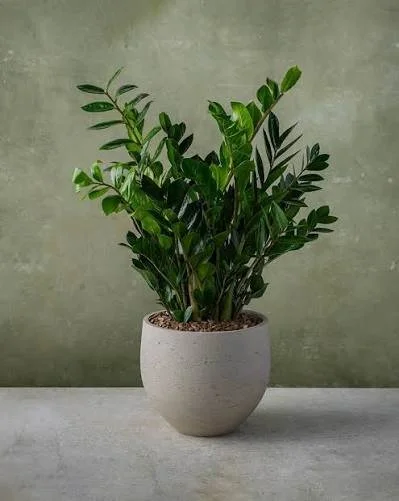
ZZ Plant
Zamioculcas zamiifolia
The ZZ Plant is a slow-growing tropical houseplant with glossy, deep-green foliage and thick underground rhizomes that store water. It tolerates lower light and infrequent watering, making it one of the most forgiving indoor plants.
Quick Care
Light: Low to bright indirect light
Water: Allow the soil to dry completely before watering
Humidity: Average
Temperature: Approximately 60–80°F
Difficulty: Very easy
Pet friendly: No
Growth habit: Upright and clumping
Mature size: Approximately 2–4 feet indoors
Light
ZZ Plants tolerate lower-light rooms and artificial office lighting, but they grow best in medium to bright indirect light.
Growth will be much slower in low light. Avoid intense direct sunlight, which can bleach or scorch the leaves.
Rotate the container occasionally to encourage even, upright growth.
Water
Allow the potting mix to dry completely before watering again. Then saturate the soil thoroughly and let all excess water drain from the container.
Never leave the plant standing in water. Its fleshy rhizomes store moisture, making overwatering far more dangerous than temporary dryness.
Watering frequency varies with light, temperature, pot size and season. During Erie’s darker winter months, the plant may need water only every few weeks. Always check the soil rather than following a fixed calendar.
Temperature and Humidity
Maintain temperatures between approximately 60°F and 80°F. Protect the plant from frost, cold windows and temperatures below 55°F.
Average household humidity is sufficient. A ZZ Plant does not require misting.
Soil and Repotting
Use a loose, fast-draining potting mix. Indoor potting soil amended with perlite or a cactus-and-succulent mix works well.
The container must have a drainage hole. Repot only when the rhizomes and roots have thoroughly filled the pot or are distorting the container.
Choose a sturdy new pot only 1–2 inches wider than the existing one. The thick rhizomes can store substantial moisture, so an oversized container increases the risk of rot.
Fertilizing
Feed once or twice during spring and summer with a balanced liquid houseplant fertilizer at half strength.
ZZ Plants grow slowly and do not need frequent fertilizer. Do not feed during winter or when the plant is stressed.
Pruning and Cleaning
Remove yellow, damaged or dying stems by cutting them near the soil line with clean scissors.
ZZ Plants do not branch from a trimmed stem, so cutting a healthy stem halfway down will leave a permanent blunt end. Remove the complete stem if pruning is necessary.
Wipe dust from the glossy leaves with a soft, damp cloth. Do not use commercial leaf-shine products.
Propagation
ZZ Plants can be propagated by dividing their rhizomes during repotting. Each division should retain healthy roots and at least one growing stem.
They can also be propagated from individual leaflets or stem cuttings, but developing a new rhizome can take several months. Patience is required.
Common Problems
Yellow stems or leaves with wet soil: Usually caused by overwatering or root and rhizome rot.
Wrinkled stems or curling leaves with dry soil: The plant may need water.
Soft or foul-smelling rhizomes: Indicates rot. Remove damaged tissue and repot into fresh, dry, well-draining mix.
Long, weak or leaning stems: The plant may need brighter indirect light.
Bleached or brown patches: Often caused by intense direct sunlight.
Brown bumps or cottony patches: Inspect for scale or mealybugs.
Pet and Child Safety
ZZ Plants are not considered pet-safe. Their tissues contain insoluble calcium oxalate crystals that can cause oral irritation, drooling, nausea, vomiting and difficulty swallowing.
The sap may also irritate sensitive skin. Wash your hands after pruning or repotting and keep the plant out of reach of pets and young children.
Contact a veterinarian or pet-poison service if the plant is chewed or eaten. ASPCA houseplant safety information
Mary Mae’s Best Advice
Do not water a ZZ Plant simply because several days or weeks have passed. Check the soil all the way down and water only after it has dried completely. Low light makes the plant use water even more slowly.
