
Snake Plant Care Guide
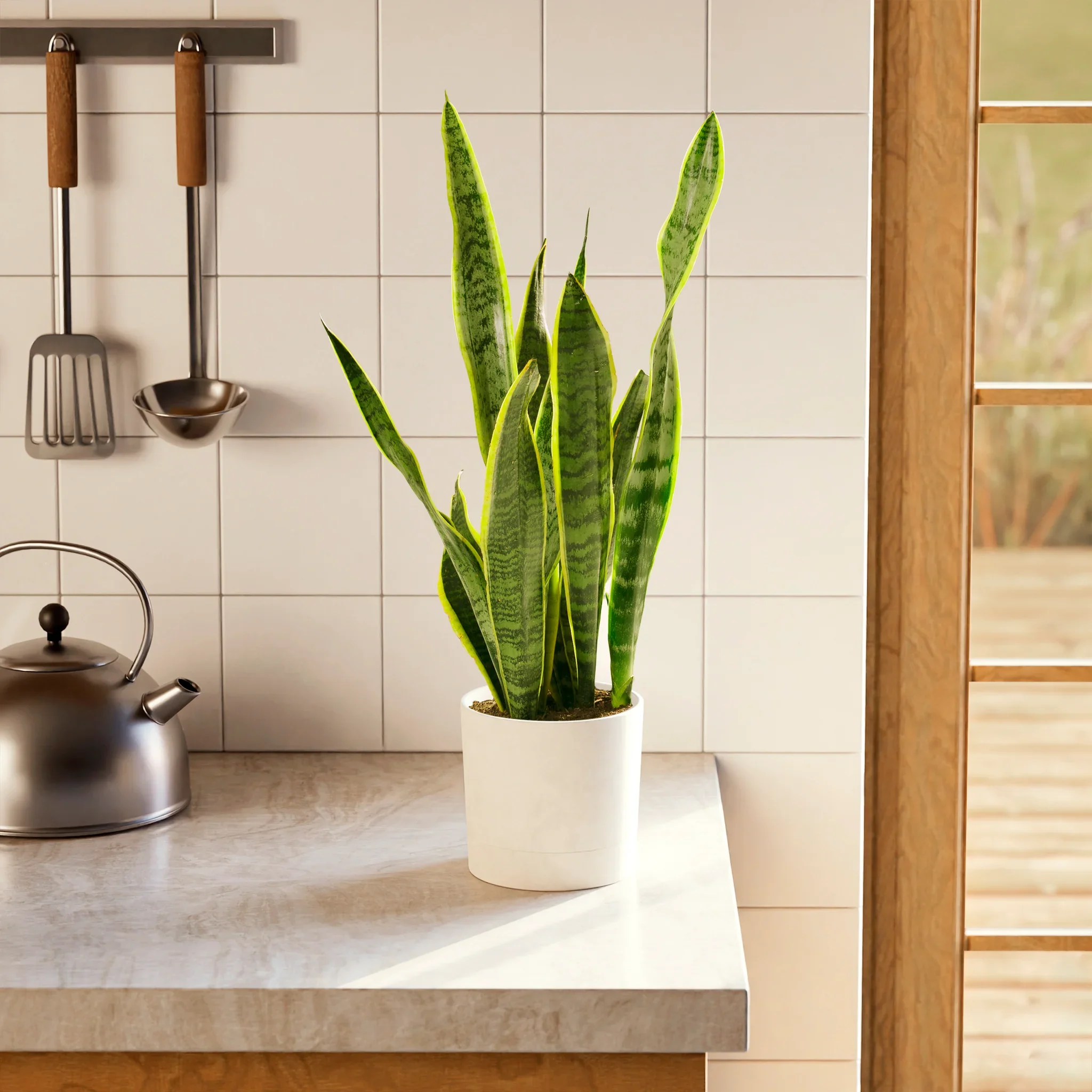
Snake Plant
Dracaena species
Formerly classified as Sansevieria
Snake Plants are durable, drought-tolerant houseplants with thick, upright leaves that store water. This general guide applies to Robusta and other plants commonly sold under the names Snake Plant, Sansevieria or Mother-in-Law’s Tongue.
Quick Care
Light: Low to bright indirect light
Water: Allow the soil to dry completely
Humidity: Low to average
Temperature: Approximately 60–85°F
Difficulty: Very easy
Pet friendly: No
Growth habit: Upright and clumping
Light
Snake Plants tolerate low light but grow best in medium to bright indirect light. Growth will be considerably slower in darker locations.
Variegated varieties need brighter light to maintain their coloring. Avoid suddenly moving the plant into intense direct sunlight, which can scorch the foliage.
Water
Allow the potting mix to dry completely before watering. Then saturate the soil thoroughly and allow all excess water to drain.
Do not pour water directly into the center of the leaf rosettes, where it may become trapped and cause rot.
Snake Plants use water very slowly in low light and during winter. They may go several weeks between waterings, but the correct interval depends on the plant’s environment. Check the soil rather than following a calendar.
Temperature and Humidity
Maintain temperatures between approximately 60°F and 85°F. Protect the plant from frost, cold windows and temperatures below 50–55°F.
Low to average household humidity is suitable. Snake Plants do not need misting.
Soil and Repotting
Use a loose, fast-draining cactus-and-succulent mix. Additional perlite or pumice can improve drainage.
The container must have a drainage hole. Terracotta is a good choice because it helps the soil dry more quickly.
Snake Plants prefer being somewhat root-bound. Repot when the rhizomes have filled or distorted the container. Choose a new pot only 1–2 inches wider than the existing one.
Fertilizing
Feed once or twice during spring and summer with a balanced houseplant or cactus fertilizer diluted to half strength.
Do not fertilize during winter. Excess fertilizer can damage the roots and produce weak growth.
Pruning and Cleaning
Remove a damaged leaf by cutting it near the soil line with a clean blade.
A cut leaf will not regrow from its trimmed tip, so avoid cutting healthy leaves halfway down merely to reduce the plant’s height.
Wipe dust from the leaves with a soft, damp cloth. Do not use commercial leaf-shine products.
Propagation
Snake Plants can be divided by separating rooted sections of their underground rhizomes.
Many varieties can also be propagated from leaf cuttings. However, leaf cuttings from variegated cultivars may produce solid-green offspring rather than retaining the parent plant’s original pattern.
Common Problems
Soft or mushy leaves: Usually caused by overwatering, trapped water or cold damage.
Yellow leaves with wet soil: Possible root or rhizome rot.
Wrinkled or folding leaves with dry soil: The plant may be ready for water.
Brown, dry tips: May result from physical damage, severe dryness, mineral buildup or cold exposure.
Leaning or weak growth: The plant may need brighter indirect light.
White cottony patches or brown bumps: Inspect for mealybugs or scale.
Pet Safety
Snake Plants are not considered pet-safe. They contain saponins that can cause nausea, drooling, vomiting, diarrhea and lethargy when ingested.
Keep the plant out of reach and contact a veterinarian or pet-poison service if it is eaten. ASPCA Snake Plant profile
Mary Mae’s Best Advice
The fastest way to kill a Snake Plant is to water it too often. Let the soil dry completely, use a container with drainage and remember that a plant in low light needs water far less frequently than one in bright light.
