
Potted Mum Care Guide
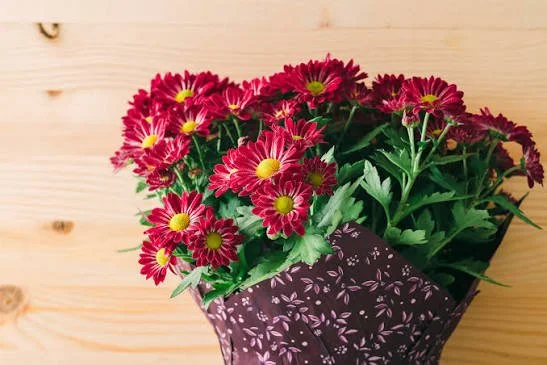
Mum
Chrysanthemum species and hybrids
This shared guide applies to potted florist mums. These plants are grown for a dense display of colorful flowers and can remain in bloom for several weeks when kept cool, evenly watered and away from intense sunlight.
Quick Care
Light: Bright, indirect light indoors
Water: Keep evenly moist but not waterlogged
Temperature: Approximately 60–70°F while flowering
Humidity: Average
Difficulty: Easy during the initial bloom
Pet friendly: No
Growth habit: Compact, mounded flowering plant
Light
Place a potted mum near a bright window where it receives plenty of indirect light. Some gentle morning sun is acceptable, but strong afternoon sun can dry the plant rapidly and shorten the flowering period.
If displayed outdoors during mild weather, provide morning sun with some protection from intense afternoon heat.
Water
Check the soil frequently. Potted mums have dense foliage and root systems that can use water quickly.
Water when the soil surface begins to feel dry. Saturate the potting mix thoroughly and allow the excess to drain.
Do not allow the plant to wilt severely or remain standing in water. Repeated wilting can quickly damage flowers and unopened buds.
If the plant has a decorative foil or pot cover, remove it for watering or empty all collected water afterward.
Temperature
Flowers last longest in cool conditions around 60–70°F. Warm rooms, heating vents and intense sunlight cause blooms to fade more quickly.
Protect the plant from frost and cold drafts. A potted florist mum should not automatically be assumed to be winter-hardy.
Fertilizing
Fertilizer is unnecessary while the purchased plant is flowering.
If you plan to keep the plant after blooming, begin feeding lightly with a balanced fertilizer when healthy new growth appears. Do not fertilize a dry, wilted or stressed plant.
Grooming
Remove individual flowers as they turn brown or fade. Deadheading keeps the plant attractive and prevents decaying petals from collecting among the foliage.
Remove yellow or damaged leaves and keep fallen plant material off the soil surface.
After Flowering
Potted florist mums are commonly enjoyed as seasonal flowering plants. Keeping one alive after flowering is possible, but getting another dense, greenhouse-quality bloom is more difficult.
Chrysanthemums require naturally shorter days and long, uninterrupted nights to initiate flowers. Artificial light during the required dark period can interfere with reblooming.
After flowering, the stems can be trimmed back and the plant maintained in bright light with careful watering.
Can It Be Planted Outside?
Do not assume a potted florist mum is a hardy garden mum. Florist and gift-pot varieties are selected primarily for greenhouse production and flower display, not necessarily for surviving an Erie winter.
Customers who want a permanent outdoor mum should purchase a plant specifically labeled as a hardy garden mum with an appropriate USDA hardiness zone.
A florist mum may be placed outdoors during frost-free weather, but survival through winter is not guaranteed.
Common Problems
Wilting plant with dry soil: Water thoroughly as soon as possible.
Yellow leaves and wet soil: Usually caused by overwatering, poor drainage or water trapped inside a pot cover.
Flowers fading quickly: Often caused by warm temperatures, direct sunlight or dry soil.
Unopened buds turning brown: May result from severe dryness, low light, heat or environmental stress.
Gray or fuzzy flowers: Remove affected blooms and improve air circulation. Avoid wetting the flowers.
Distorted flowers or streaked foliage: Inspect for thrips and other pests.
Pet Safety
Mums are not considered pet-safe. Ingestion can cause vomiting, diarrhea, excessive drooling and loss of coordination. Contact with the plant may also cause skin irritation in sensitive animals or people.
Keep the plant out of reach and contact a veterinarian or pet-poison service if it is eaten. ASPCA Mum profile
Mary Mae’s Best Advice
The key to extending a mum’s display is simple: keep it cool, give it bright light and check its soil often. Enjoy it as a seasonal flowering plant unless it is specifically labeled as a hardy outdoor variety.
