
Syngonium Care Guide
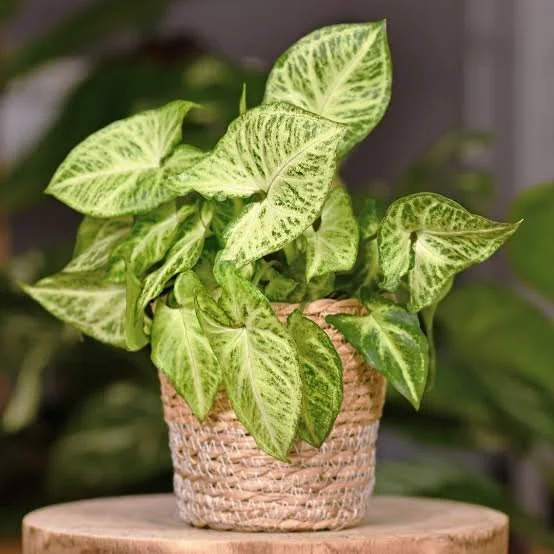
Syngonium species and cultivars
Includes Pink Butterfly and other Arrowhead Plant varieties
Syngoniums are adaptable tropical plants with arrow-shaped leaves available in green, white, cream, pink, and variegated forms. Young plants grow upright and bushy, but they naturally begin climbing or trailing as they mature.
Light
Provide medium to bright, indirect light.
Green varieties tolerate medium light, while pink and variegated Syngoniums need brighter indirect light to maintain their coloring.
Gentle morning sun is usually acceptable. Protect the foliage from intense afternoon sunlight, which can scorch pale or pink leaves.
Too little light can cause:
Faded coloring
Loss of variegation
Weak, stretched growth
Smaller leaves
Soil remaining wet too long
Water
Water when the top one to two inches of soil feel dry.
Thoroughly soak the soil until excess drains from the container, then empty the saucer or decorative pot.
Syngoniums prefer lightly moist soil but are susceptible to root rot when kept constantly wet. Reduce watering during winter or whenever growth slows.
Humidity
Average household humidity is usually adequate. Moderate humidity can encourage healthier growth and help prevent brown leaf edges.
Provide gentle airflow and keep the plant away from heating and cooling vents.
Temperature
Maintain temperatures between approximately 65 and 85°F.
Protect the plant from:
Temperatures below approximately 55°F
Cold windows and exterior doors
Heating and cooling vents
Sudden temperature changes
Soil and Repotting
Use a loose, well-draining aroid mixture containing ingredients such as:
Indoor potting soil or coco coir
Orchid bark
Perlite or pumice
Always use a container with drainage holes. Repot when roots have filled the container or the soil begins drying unusually quickly.
Increase the pot by only one size.
Fertilizing
Feed every two to four weeks during spring and summer with a balanced houseplant fertilizer diluted to half strength.
Reduce or stop feeding during fall and winter when growth slows.
Growth and Support
Young Syngoniums usually remain compact and bushy. As they mature, their stems begin to vine and their leaf shape may change.
You can:
Prune the vines to maintain a compact plant
Allow them to trail
Provide a moss pole or other support for climbing
Climbing plants may eventually produce larger and more divided leaves.
Pruning and Propagation
Cut long stems just above a leaf node to encourage branching.
Stem cuttings containing at least one healthy node can be rooted in water, moist potting mixture, or another suitable propagation medium.
Wear gloves when pruning because the sap may irritate sensitive skin.
Common Problems
Yellow leaves: Often caused by excessive watering, poor drainage, or insufficient light.
Brown edges: May indicate dry soil, low humidity, fertilizer buildup, or root stress.
Faded pink coloring: Move the plant into brighter indirect light.
Leggy growth: Provide more light and prune long vines.
Curling or drooping leaves: Check for dry soil, saturated soil, temperature stress, or damaged roots.
Spider mites, thrips, scale, or mealybugs: Inspect the stems and leaf undersides regularly.
Pet Safety
Keep Syngoniums out of pets’ reach. They contain insoluble calcium oxalate crystals that can cause mouth irritation, drooling, vomiting, or difficulty swallowing if chewed.
Contact a veterinarian or poison-control service if ingestion is suspected.
Mary Mae’s Quick Advice
Give your Syngonium filtered light and water when the upper portion of the soil dries. Pink and variegated varieties need brighter light than solid-green plants to maintain their coloring.
