
Angel Wing Begonia Care Guide
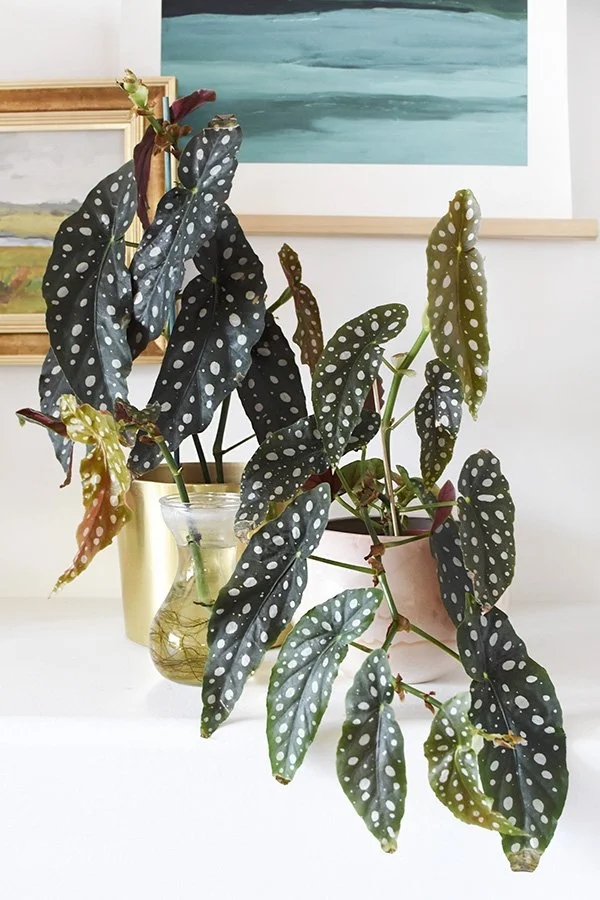
Angel Wing Begonia
Begonia cane-type hybrids
Angel Wing Begonias are cane-type begonias loved for their wing-shaped, often spotted leaves and clusters of delicate flowers. With bright filtered light and careful watering, they can grow into impressive upright houseplants.
Light
Place your Angel Wing Begonia in bright, indirect light. Gentle morning sun is usually fine, but protect it from intense afternoon sunlight, which can scorch the leaves.
Too little light may cause weak, leggy growth and fewer flowers.
Water
Water when the top inch of soil feels dry. Thoroughly soak the soil, allow the excess water to drain, and empty any water collected in the saucer or decorative container.
Avoid keeping the soil constantly wet. Overwatering can cause yellow leaves, soft stems, and root rot.
Humidity
Moderate humidity is ideal. Provide good airflow and avoid regularly wetting or misting the leaves, since damp foliage can encourage leaf spots and mildew.
Temperature
Keep between approximately 65–80°F. Protect the plant from cold drafts, heating vents, sudden temperature changes, and temperatures below approximately 55°F.
Soil and Repotting
Use a loose, fertile, well-draining indoor potting mix. A container with a drainage hole is strongly recommended.
Angel Wing Begonias often perform well when slightly rootbound, so repot only when roots have filled the container or the soil no longer drains properly.
Fertilizer
Feed with a balanced houseplant fertilizer diluted to half strength every two to four weeks during spring and summer.
Reduce or stop fertilizing during fall and winter when growth slows.
Pruning and Support
Pinch or prune long canes just above a leaf node to encourage branching and a fuller plant. Taller stems may need a stake or small support.
Remove yellow, damaged, or spotted leaves using clean scissors.
Encouraging Flowers
Provide bright filtered light, consistent watering, and light feeding during active growth. Insufficient light is one of the most common reasons an Angel Wing Begonia fails to bloom.
Common Problems
Yellow leaves or soft stems: Soil may be staying too wet.
Brown, crispy edges: The plant may be too dry or exposed to very low humidity.
Leggy growth: Move it closer to a source of bright indirect light.
Leaf spots or powdery growth: Keep the foliage dry and improve airflow.
Sudden leaf drop: Check for cold drafts, temperature changes, or watering problems.
Pests: Watch for mealybugs, spider mites, and scale.
Pet Safety
Keep Angel Wing Begonias out of pets’ reach. Begonias contain soluble calcium oxalates and may cause vomiting or excessive salivation if eaten. The underground portions are considered especially toxic. See the ASPCA’s begonia safety information.
Mary Mae’s Quick Advice
Give your Angel Wing Begonia bright filtered light, let the top inch of soil dry before watering, and keep its leaves dry with good airflow.
