
Rieger Begonia Care Guide
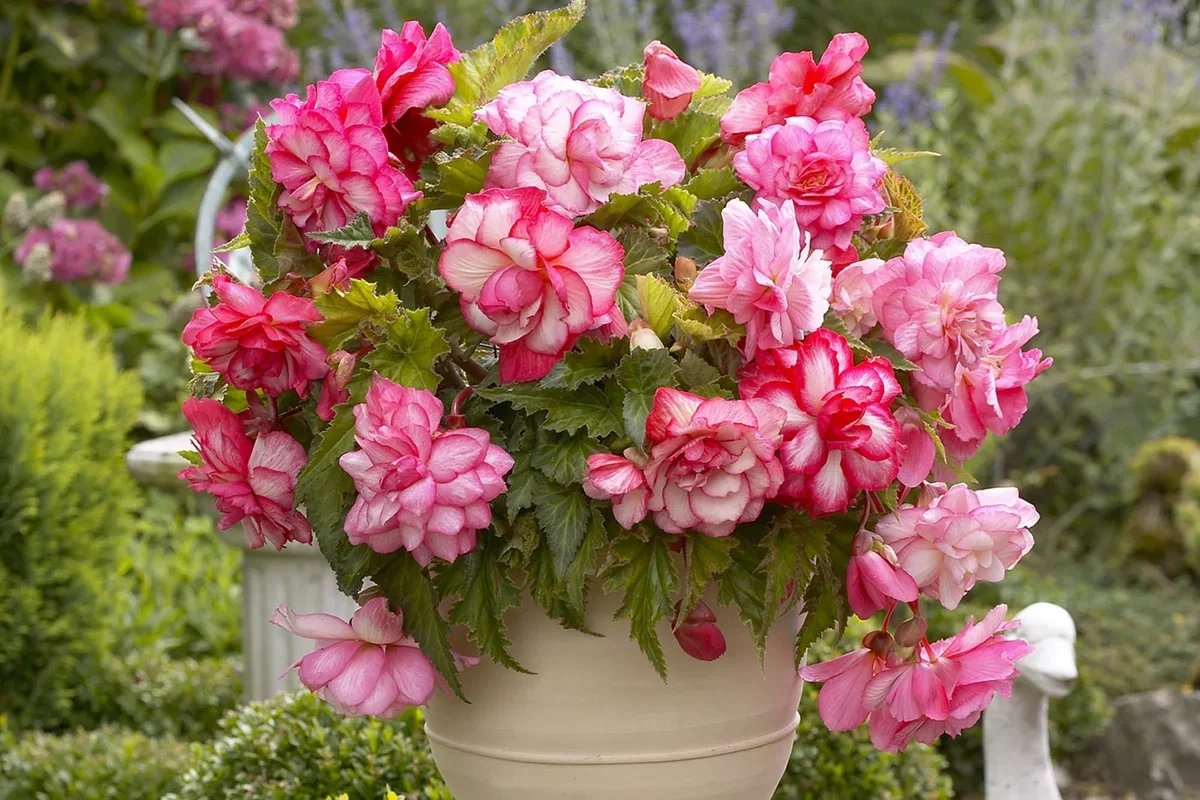
Rieger Begonia
Begonia × hiemalis
Rieger begonias are compact flowering plants prized for their masses of rose-like blooms. This guide covers both the yellow and pink varieties sold at Mary Mae Gardens.
Quick Care
Light: Bright, indirect light
Water: Water when the top inch feels dry
Humidity: Moderate humidity with good airflow
Temperature: 60–75°F
Soil: Light, well-draining potting mix
Difficulty: Moderate
Pet safety: Toxic to cats and dogs
Light
Place your Rieger begonia in bright, indirect light. Gentle morning sun is usually fine, but strong afternoon sunlight can scorch the foliage and shorten the life of its flowers.
Low light can reduce flowering and cause weak, stretched growth.
Water
Rieger begonias prefer slightly moist soil but are very susceptible to rot.
Check the soil before watering.
Water when the top inch feels dry.
Water the soil thoroughly until excess drains.
Empty the saucer or decorative container afterward.
Avoid pouring water directly into the center of the plant. Never allow the pot to sit in standing water.
Temperature and Humidity
Maintain temperatures between 60 and 75°F. Cooler indoor temperatures can help the flowers last longer, but protect the plant from temperatures below 50°F.
Moderate humidity is helpful, but the plant also needs good air circulation. Avoid misting the flowers and foliage because prolonged moisture can encourage fungal disease.
Soil and Repotting
Use a lightweight potting mix that drains freely. A mix containing peat or coco coir with perlite works well.
The container must have a drainage hole. Rieger begonias generally flower best when slightly root-bound, so repot only when necessary and move up by just one pot size.
Fertilizing
While the plant is actively growing and flowering, apply a balanced liquid fertilizer at half strength approximately every two to four weeks.
Reduce or stop fertilizing when flowering ends and growth slows.
Keeping It Blooming
Remove faded flowers regularly.
Provide plenty of bright, indirect light.
Keep the soil consistently but lightly moist.
Avoid excessive nitrogen fertilizer, which encourages leaves instead of flowers.
Keep the plant away from hot air and temperature extremes.
Rieger begonias are often treated as seasonal flowering plants. They can survive and rebloom, but getting another equally heavy bloom cycle can be difficult indoors.
Pruning After Flowering
When the main flowering cycle ends, trim back leggy stems and remove dead flowers or damaged foliage. Continue providing bright light while watering more cautiously.
New growth may appear after a resting period, but the plant should never remain wet while it is growing slowly.
Common Problems
Yellow leaves: Usually caused by excessive watering, poor drainage, or naturally aging lower leaves.
Drooping: Check the soil before watering. Both dry soil and damaged, waterlogged roots can cause wilting.
Brown, crispy edges: The plant may be too dry, receiving excessive sun, or sitting near a heating vent.
Flowers dropping early: Heat, dry soil, sudden environmental changes, or water on the blooms may be responsible.
White or gray growth: This may be powdery mildew or botrytis. Improve airflow, remove affected material, and keep the foliage dry.
Soft or blackened stems: This commonly indicates rot. Remove affected material and reduce watering immediately.
Pet Safety
Rieger begonias are not considered pet-safe. Begonias contain soluble calcium oxalates and may cause vomiting and excessive salivation if eaten. The underground portions are considered the most toxic.
Keep the plant away from pets and children. Contact a veterinarian if ingestion is suspected. ASPCA Begonia safety information
Mary Mae’s Best Advice
The quickest way to lose a Rieger begonia is to keep it constantly wet. Give it bright light, let the top inch of soil begin to dry, and keep water off the flowers and crown.
