
Neanthe Bella Palm Care Guide
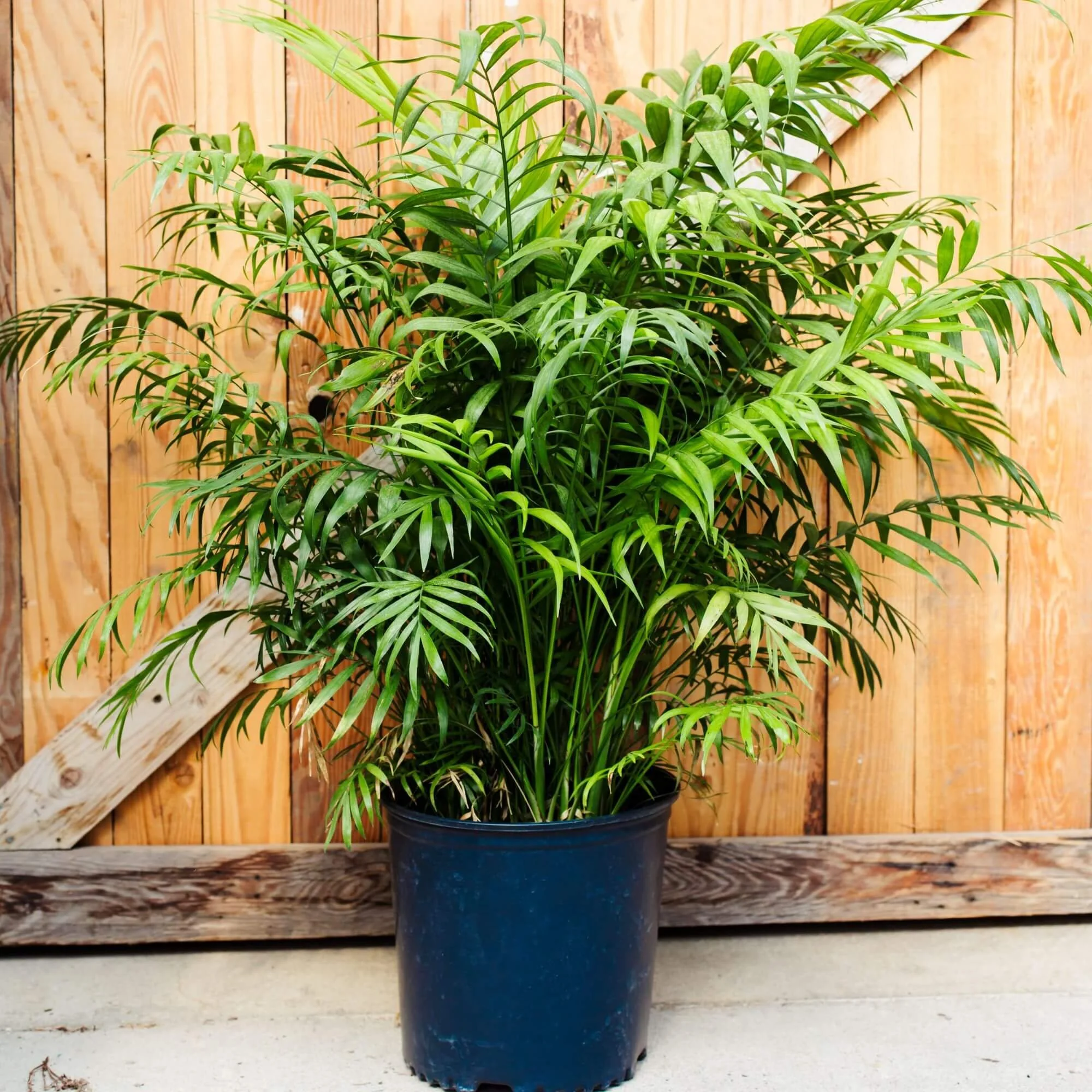
Neanthe Bella Palm
Chamaedorea elegans
Also known as the Parlor Palm, the Neanthe Bella Palm is a slow-growing tropical palm with delicate, arching green fronds. It tolerates indoor conditions and lower light better than many palms, making it a good choice for homes and offices.
Quick Care
Light: Medium to bright indirect light
Water: Water when the top 1–2 inches feel dry
Humidity: Average to moderately high
Temperature: Approximately 65–80°F
Difficulty: Easy to moderate
Pet friendly: Yes—non-toxic to cats and dogs
Growth habit: Upright, clumping palm
Mature size: Commonly 2–6 feet indoors
Light
Place the palm in medium to bright indirect light. It tolerates lower-light locations, but growth will be slower and less full.
Avoid intense direct sunlight, which can scorch the thin leaflets. Gentle morning sun is generally acceptable.
Water
Water when the top 1–2 inches of soil feel dry. Thoroughly saturate the potting mix and allow the excess to drain.
Do not leave the container standing in water. Parlor palms prefer lightly moist soil but are vulnerable to root rot when kept constantly saturated.
Reduce watering during winter and in lower-light locations. Do not allow the entire root ball to remain completely dry for an extended period.
Temperature and Humidity
Maintain temperatures between approximately 65°F and 80°F. Protect the palm from cold windows, exterior doors, heating vents and air-conditioning drafts.
Average household humidity is usually adequate, but moderate humidity can help prevent brown leaf tips and discourage spider mites.
Soil and Repotting
Use a well-draining indoor potting mix in a container with drainage holes.
Parlor palms grow slowly and generally prefer to remain slightly root-bound. Repot only when roots have thoroughly filled the container or the soil has become compacted.
Choose a new pot only 1–2 inches wider than the current container and handle the roots gently.
Fertilizing
Feed lightly during spring and summer with a balanced houseplant or palm fertilizer at half strength approximately every six to eight weeks.
Do not fertilize during winter. Excess fertilizer can burn the roots and cause brown leaf tips.
Pruning and Cleaning
Remove a frond only after it has become mostly yellow or brown. Cut it near the soil line with clean scissors.
Do not cut the growing tips from healthy stems, as palms do not branch or regrow from a severed tip.
Brown leaflet tips can be trimmed for appearance, leaving a thin line of brown tissue rather than cutting into healthy green growth.
Common Problems
Brown leaf tips: Often caused by dry air, inconsistent watering, mineral-heavy water or excess fertilizer.
Yellow lower fronds: Individual older fronds naturally decline, but widespread yellowing may indicate overwatering.
Dry, pale or speckled foliage: Inspect closely for spider mites, especially during winter.
Brown patches: May result from direct sunlight, cold damage or severe dryness.
Slow growth: Normal for this species, although extremely low light can slow it further.
Pet Safety
The Neanthe Bella or Parlor Palm is classified by the ASPCA as non-toxic to cats and dogs. Eating any plant material may still cause mild stomach upset, so chewing should be discouraged. ASPCA Parlor Palm profile
Mary Mae’s Best Advice
This palm grows slowly, so do not try to force it with frequent fertilizer or move it into an oversized pot. Give it indirect light, allow the upper soil to begin drying and inspect the undersides of the fronds regularly for spider mites.
