
Peace Lily Care Guide
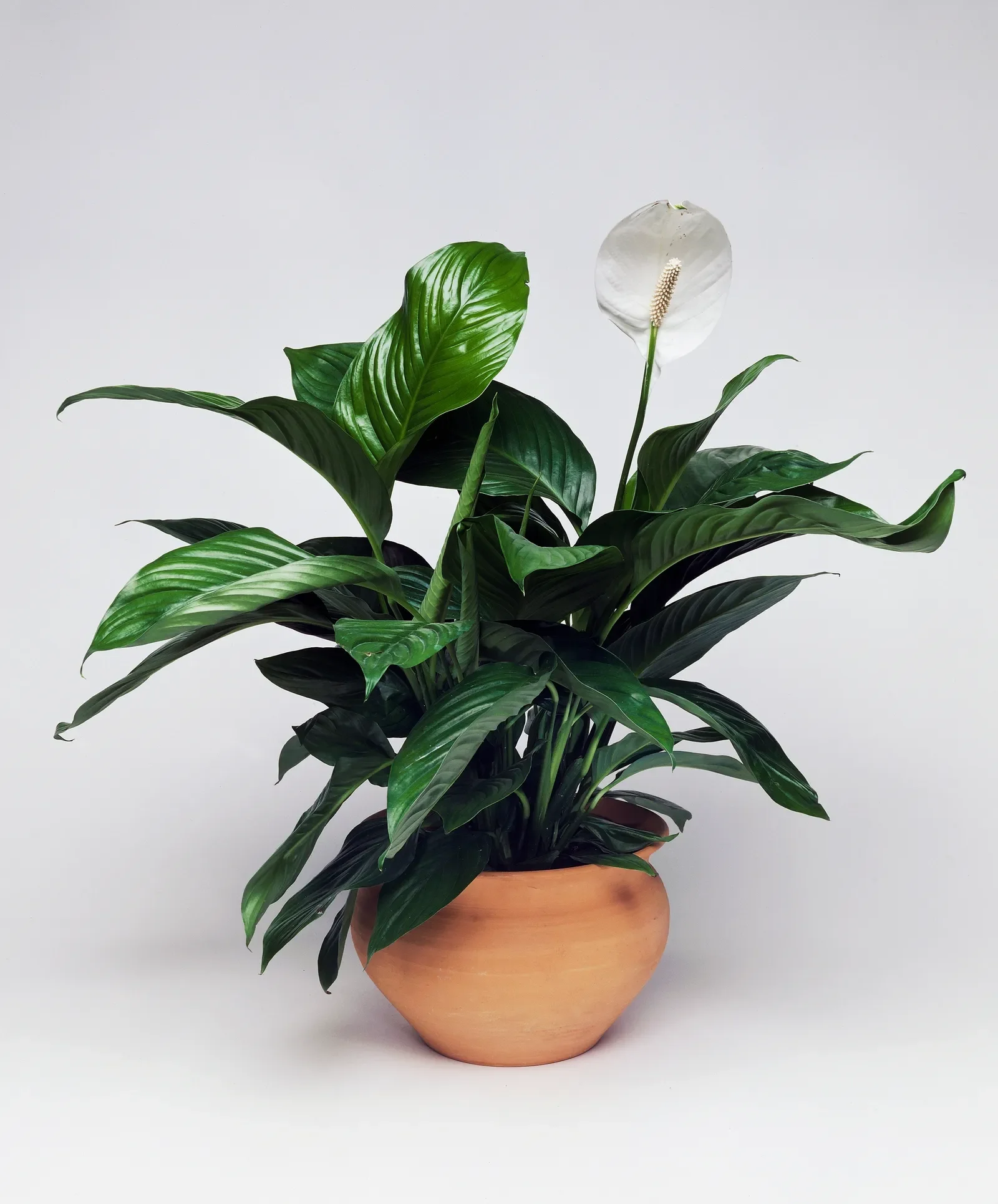
Peace Lilly
Spathiphyllum species and hybrids
Peace lilies are popular tropical houseplants with glossy green foliage and elegant white flower structures called spathes. They tolerate lower light better than many flowering houseplants, but they grow and bloom best in bright, indirect light.
Quick Care
Light: Medium to bright indirect light
Water: Water when the top 1 inch feels dry
Humidity: Average to moderately high
Temperature: Approximately 65–85°F
Difficulty: Easy
Pet friendly: No
Growth habit: Upright, clumping foliage
Mature size: Varies significantly by cultivar
Light
Place your peace lily in medium to bright indirect light. It can survive in lower-light areas, but growth will be slower and flowering may stop.
Avoid intense direct sunlight, which can bleach or scorch the foliage. An east-facing window or a location several feet back from a brighter window generally works well.
Water
Water when the top inch of soil feels dry. Saturate the potting mix thoroughly and allow the excess to drain from the container.
Peace lilies often droop dramatically when thirsty. While they usually recover after watering, repeatedly allowing the plant to wilt severely can damage the foliage and roots.
Do not keep the soil constantly saturated or leave the pot standing in water.
Peace lilies can be sensitive to minerals and chemicals in tap water. Filtered, distilled or rainwater may help if the plant repeatedly develops brown leaf tips.
Temperature and Humidity
Maintain temperatures between approximately 65°F and 85°F. Keep the plant away from cold windows, exterior doors and heating or air-conditioning vents.
Peace lilies appreciate moderate humidity but generally adapt to average household conditions. Brown tips can develop when the air is extremely dry.
Soil and Repotting
Use a loose, moisture-retentive but well-draining indoor potting mix. The container should have a functional drainage hole.
Repot when the plant becomes severely root-bound, requires unusually frequent watering or has roots emerging from its drainage holes. Select a container only 1–2 inches wider than the existing pot.
A peace lily can also be divided into multiple plants during repotting if each division retains healthy roots and foliage.
Fertilizing
Apply a balanced houseplant fertilizer at half strength approximately every six to eight weeks during spring and summer.
Avoid excessive fertilizer, which can cause brown leaf tips and salt buildup. Reduce or stop feeding during winter when growth slows.
Pruning and Cleaning
Cut yellow or damaged leaves near the plant’s base with clean scissors.
Once a white spathe fades to green or brown, remove the entire flower stem near the soil line. Wipe dust from the broad leaves periodically with a soft, damp cloth.
Common Problems
Dramatic drooping with dry soil: The plant needs water.
Drooping with wet soil: Possible overwatering, poor drainage or root rot.
Brown leaf tips: May result from dry air, inconsistent watering, mineral-heavy water or excess fertilizer.
Yellow leaves: Often caused by excess water, although individual older leaves naturally yellow and die.
No flowers: The plant may need brighter indirect light or may be too young.
White cottony patches or brown bumps: Inspect for mealybugs or scale.
Pet Safety
Peace lilies are not considered pet-safe. Their tissues contain insoluble calcium oxalate crystals that can cause intense irritation and burning of the mouth, drooling, vomiting and difficulty swallowing.
Keep the plant out of reach and contact a veterinarian or pet-poison service if it is chewed or eaten. ASPCA Peace Lily profile
Important Lily Distinction
Despite its common name, the peace lily is not a true lily from the genera Lilium or Hemerocallis. It does not cause the same characteristic acute kidney failure associated with true-lily exposure in cats. It is still toxic and should not be accessible to pets.
Mary Mae’s Best Advice
A peace lily can survive in low light, but “survive” is not the same as “thrive.” Give it bright indirect light if you want fuller growth and flowers. Water when the soil surface begins drying rather than waiting for the plant to collapse dramatically.
