
Monstera Care Guide
Monstera
Monstera deliciosa, Monstera adansonii and related species
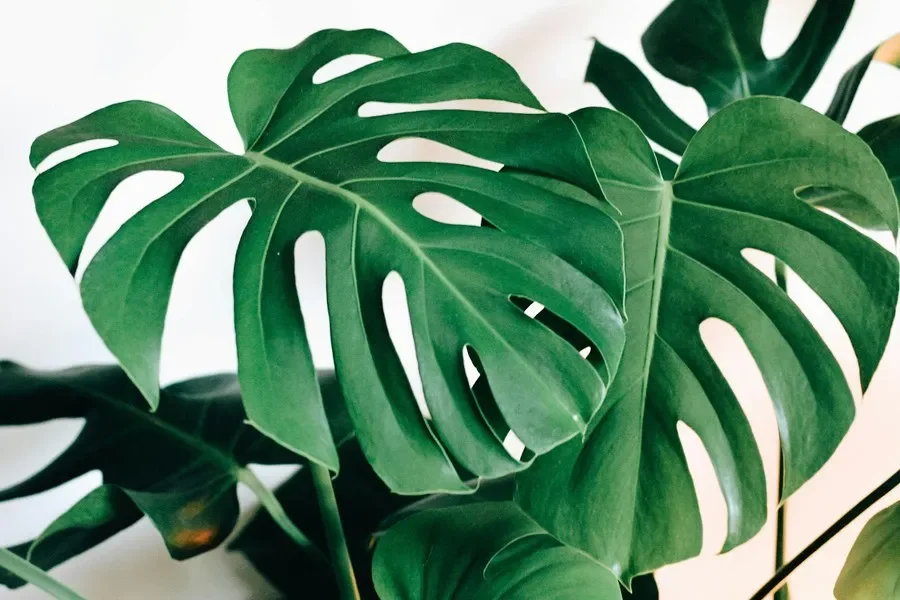
Monsteras are tropical climbing plants known for the natural holes or splits in their leaves, called fenestrations. This shared guide covers both the large Split-Leaf Monstera and the smaller, vining Swiss Cheese Monstera.
Quick Care
Light: Bright, indirect light
Water: Water when the top 1–2 inches feel dry
Humidity: Average to high; ideally above 50%
Temperature: Approximately 60–85°F
Difficulty: Easy to moderate
Pet friendly: No
Growth habit: Climbing tropical vine
Light
Provide bright, indirect light. Monsteras tolerate medium light, but growth will be slower, stems may become stretched and mature leaf splits may develop less readily.
Gentle morning sun is usually acceptable. Avoid intense direct afternoon sunlight, which can scorch or bleach the foliage.
Variegated monsteras require brighter indirect light than solid-green plants because their white or cream-colored tissue cannot produce energy through photosynthesis.
Water
Water thoroughly when the top 1–2 inches—or approximately the upper quarter—of the potting mix feel dry.
Allow excess water to drain completely and empty the saucer or decorative pot. Monsteras prefer consistent moisture during active growth but should never remain in saturated soil.
Reduce watering during winter or in lower-light conditions. Check the soil rather than following a fixed schedule.
Temperature and Humidity
Maintain temperatures between approximately 60°F and 85°F. Keep the plant away from cold drafts, exterior doors and heating or air-conditioning vents.
Monsteras prefer humidity above 50%, but many adapt to average household conditions. A humidifier can help new leaves unfurl cleanly during Erie’s dry indoor winters.
Soil and Repotting
Use a chunky, well-draining potting mix. A blend containing indoor potting soil, orchid bark and perlite provides a useful combination of moisture retention and airflow.
Repot when roots begin circling the container, growing through its drainage holes or causing the soil to dry unusually quickly. Choose a new pot only 1–2 inches wider than the existing container.
Support and Training
Monsteras are natural climbers. Provide a sturdy moss pole, wooden plank, trellis or other support before the plant becomes large and difficult to manage.
Secure the main stem loosely to the support without tying the leaf stalks. Direct aerial roots toward the support or potting mix. Avoid cutting healthy aerial roots unless necessary.
Climbing support, adequate light and maturity encourage larger, more fenestrated foliage.
Fertilizing
Apply a balanced liquid houseplant fertilizer at half strength approximately once a month during spring and summer.
Reduce or stop feeding during fall and winter when growth slows. Do not fertilize extremely dry soil or a plant suffering from root damage.
Pruning and Propagation
Remove yellow or damaged foliage with clean cutting tools. Long stems can be shortened to control the plant’s size.
To propagate, take a stem cutting containing at least one node. A leaf or leaf stalk without a node cannot produce a new plant.
Root the node in water or moist propagation mix, then pot it after a healthy root system develops.
Variety Notes
Split-Leaf Monstera
Monstera deliciosa
This variety develops large, heart-shaped leaves that split and form interior holes as the plant matures. Juvenile leaves may be completely solid.
It needs sturdy support and considerably more room than the Swiss Cheese Monstera. Indoor plants can eventually become several feet tall and wide.
A lack of leaf splits does not necessarily indicate a problem. Young plants require maturity, strong indirect light and climbing support before producing heavily fenestrated leaves.
Swiss Cheese Monstera
Monstera adansonii
This smaller species produces thinner leaves with enclosed interior holes. It can trail from a hanging container, but it generally produces larger, healthier leaves when allowed to climb.
It may require slightly more consistent moisture and humidity than Monstera deliciosa, but the soil should still begin drying between waterings.
Common Problems
Yellow leaves with wet soil: Usually caused by overwatering or poor drainage.
Curling or drooping leaves with dry soil: The plant may need water.
No holes or splits: The plant may be young or need brighter light and climbing support.
Long stems and small leaves: Usually caused by insufficient light.
Brown, crispy edges: May result from prolonged dryness, low humidity, fertilizer buildup or root damage.
Black or mushy stems: Possible root or stem rot caused by excessive moisture.
White cottony patches, webbing or brown bumps: Inspect for mealybugs, spider mites or scale.
Pet Safety
Monsteras are not considered pet-safe. Their leaves and stems contain insoluble calcium oxalate crystals that can cause oral burning, swelling, drooling, vomiting and difficulty swallowing.
Keep the plant out of reach and contact a veterinarian or pet-poison service if it is chewed or eaten. ASPCA Monstera profile
Mary Mae’s Best Advice
Monsteras are climbing plants, not naturally upright trees. Give yours bright indirect light and a sturdy support. Let the upper portion of the soil dry before watering, and do not worry if a young plant has solid leaves—fenestrations develop with maturity and proper growing conditions.
