
Philodendron Care Guide
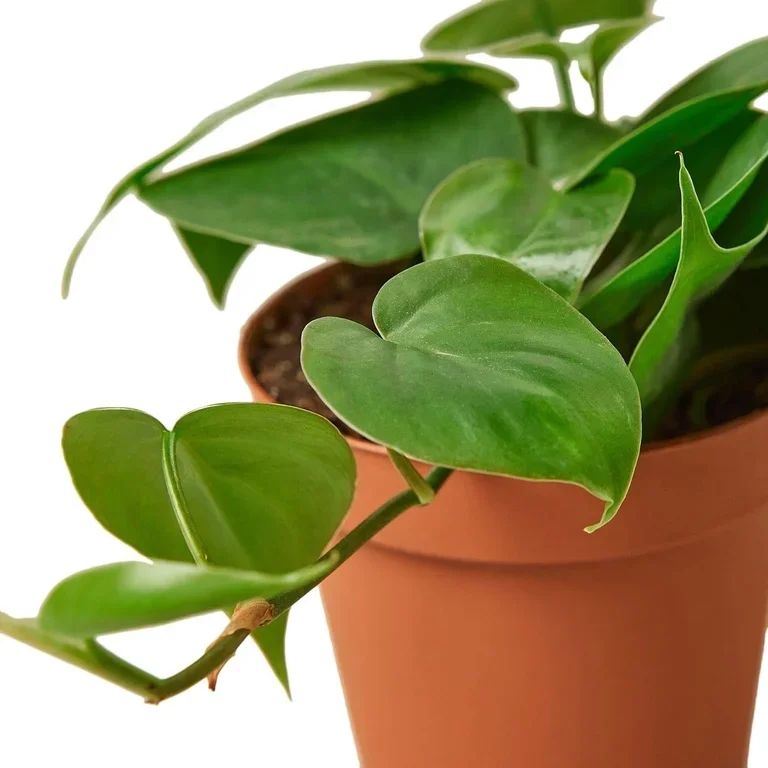
Philodendron
Philodendron species and hybrids
Philodendrons are tropical houseplants available in trailing, climbing and upright forms. This general guide covers the White Princess Philodendron, Philodendron Brasil and the assorted philodendrons listed on your invoice.
Quick Care
Light: Medium to bright indirect light
Water: Water when the top 1–2 inches feel dry
Humidity: Average to moderately high
Temperature: Approximately 65–85°F
Difficulty: Easy to moderate
Pet friendly: No
Growth habit: Trailing, climbing or upright depending on variety
Light
Provide medium to bright indirect light. Most green philodendrons tolerate medium light, but growth will be faster and fuller in brighter conditions.
Highly variegated varieties, including White Princess and Brasil, require bright indirect light to retain their coloring. Insufficient light may produce smaller, increasingly green leaves.
Avoid intense direct afternoon sunlight, which can scorch the foliage.
Water
Water when the top 1–2 inches of soil feel dry. Thoroughly saturate the potting mix until excess water drains from the container.
Empty the saucer or decorative pot after watering. Philodendrons prefer lightly moist soil during active growth but are susceptible to root rot when kept constantly wet.
Water less frequently during winter or in lower-light locations.
Temperature and Humidity
Philodendrons prefer temperatures between approximately 65°F and 85°F. Protect them from cold windows, exterior doors, air-conditioning vents and temperatures below 55°F.
Average household humidity is generally acceptable, but moderate humidity encourages healthier foliage and helps new leaves unfurl properly.
Soil and Repotting
Use a loose, well-draining potting mix rich in organic matter. A mixture containing indoor potting soil, perlite and orchid bark provides a useful balance of moisture retention and airflow.
Repot when roots begin circling the container, emerging from its drainage holes or causing the soil to dry unusually quickly. Choose a new container only 1–2 inches wider than the existing pot.
Fertilizing
Apply a balanced liquid houseplant fertilizer at half strength approximately once a month during spring and summer.
Reduce or stop feeding during fall and winter when growth slows. Avoid fertilizing extremely dry soil or a stressed plant.
Pruning and Training
Remove yellow or damaged leaves with clean scissors.
Trailing varieties can be trimmed just above a node to encourage branching. Climbing varieties benefit from a moss pole, plank or trellis and may develop larger leaves when allowed to climb.
Upright and self-heading varieties should not be forced to trail. Provide support only if the plant begins leaning as it matures.
Propagation
Trailing and climbing philodendrons can be propagated from stem cuttings. Each cutting must include at least one node—the point where a leaf and aerial root emerge.
Place the node in water or moist propagation mix while keeping the leaf above the surface. Pot the cutting once it develops a healthy root system.
Variety Notes
White Princess Philodendron
White Princess has white-and-green variegated foliage and a more upright growth habit. Give it bright indirect light to preserve its white coloring.
The white portions of its leaves contain no chlorophyll and cannot support the plant by themselves. Completely white leaves may brown quickly and should not be encouraged at the expense of balanced green growth.
Individual leaves naturally vary in the amount and pattern of white variegation. Low-variegation leaves are not necessarily a care problem.
Philodendron Brasil
Brasil is a trailing or climbing heartleaf philodendron with lime or yellow-green markings through the center of each leaf.
Bright indirect light maintains its coloring. Trim long vines to create a fuller plant, or train them upward to encourage larger leaves.
Assorted Green Philodendrons
Solid-green varieties usually tolerate medium or lower light better than heavily variegated cultivars. However, bright indirect light still produces faster and fuller growth.
Common Problems
Yellow leaves with wet soil: Usually caused by overwatering or poor drainage.
Curling or wilted leaves with dry soil: The plant may need water.
Small leaves and long gaps between leaves: The plant needs brighter light.
Loss of variegation: Move the plant to brighter indirect light.
Brown leaf tips: May result from dry air, inconsistent watering, fertilizer buildup or mineral-heavy water.
New leaves becoming stuck or damaged: Often associated with low humidity, inconsistent moisture or physical handling before the leaf unfurls.
White cottony patches, webbing or brown bumps: Inspect for mealybugs, spider mites or scale.
Pet Safety
Philodendrons are not considered pet-safe. Their leaves and stems contain insoluble calcium oxalate crystals that can cause oral pain, swelling, drooling, vomiting and difficulty swallowing.
Keep the plant out of reach and contact a veterinarian or pet-poison service if it is chewed or eaten. ASPCA philodendron safety information
Mary Mae’s Best Advice
Give variegated philodendrons brighter indirect light than solid-green varieties, but do not place them directly in intense afternoon sun. Let the upper soil begin drying before watering, and match the support to the plant’s natural habit—trailing, climbing or upright.
