
Juniper Bonsai Care Guide
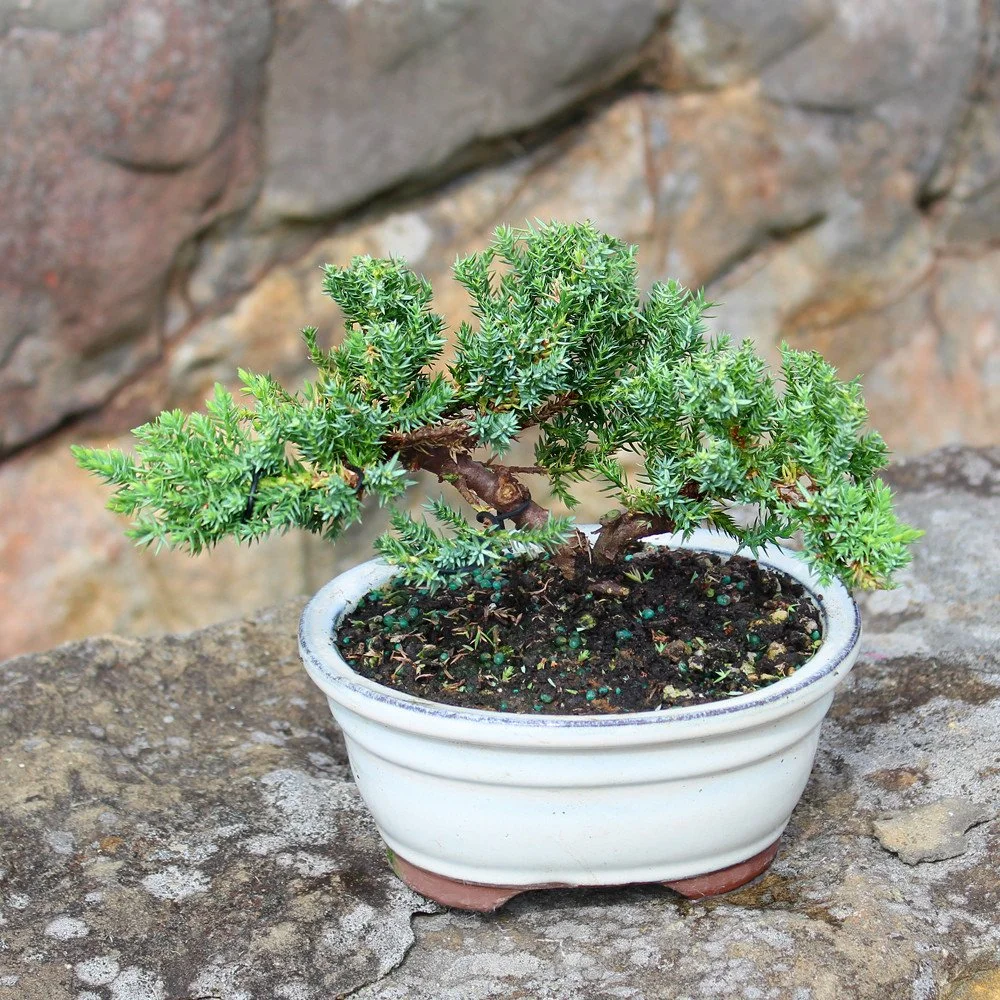
Juniperus species and cultivars
Commonly Juniperus procumbens ‘Nana’
Juniper Bonsai are outdoor conifers trained into miniature tree forms. Despite frequently being displayed indoors by retailers, they are not indoor houseplants. They need outdoor sunlight, airflow, seasonal temperature changes, and a winter dormancy period to survive long term.
Light
Keep a Juniper Bonsai outdoors in full sun or very bright partial sun. Aim for at least six hours of direct sunlight daily once the plant has been gradually acclimated.
A recently purchased tree should be introduced to intense sunlight gradually if it was previously grown or displayed in shade.
Junipers kept indoors usually weaken and eventually die, even when placed beside a bright window.
Water
Check the soil frequently and water when the surface begins to feel slightly dry.
Water the entire root ball thoroughly until water drains from the bottom of the container. Bonsai pots contain very little soil and can dry rapidly during warm, sunny, or windy weather.
Do not follow a fixed watering schedule. The plant may need water much more frequently during summer than during cool weather.
Avoid both extremes:
Never allow the root ball to become completely dry
Never leave the tree sitting in standing water
Outdoor Placement
Place the bonsai outdoors where it receives:
Direct sunlight
Good airflow
Protection from severe storms
Regular observation for watering
It may be brought indoors briefly for display, but it should be returned outside after a day or two.
Winter Care
Junipers require a cold winter dormancy period. They should not be brought into a heated home for the winter.
In Erie, the roots need protection because a shallow bonsai pot offers much less insulation than the ground. Suitable options include:
Placing the pot in an unheated garage or shed once the tree is dormant
Burying or mulching around the pot in a protected outdoor location
Using an unheated cold frame
Protecting the pot from drying winds and repeated freeze-and-thaw cycles
The tree should remain cold but protected from extreme root temperatures. Check the soil periodically throughout winter and water when it begins drying. Dormant does not mean the roots can remain completely dry.
Soil and Repotting
Use a fast-draining bonsai substrate that allows plenty of oxygen around the roots. Ordinary dense houseplant soil remains wet too long and is unsuitable.
Repot approximately every two to three years while the tree is young, preferably in early spring before vigorous new growth begins.
Root pruning and repotting can seriously stress the tree if performed incorrectly. Beginners may want assistance from an experienced bonsai grower.
Fertilizing
Feed during spring and early summer with a balanced fertilizer formulated for bonsai or outdoor container plants.
Reduce feeding during periods of extreme summer heat. Feeding may resume in late summer or early fall, but stop when the tree enters winter dormancy.
Do not fertilize a severely stressed, recently repotted, or unhealthy tree.
Pruning and Training
Pinch or trim new growth selectively to maintain the tree’s shape, but do not remove all the green foliage from a branch. Junipers generally cannot produce new growth from completely bare old wood.
Training wire must be monitored regularly. Remove or adjust it before it cuts into expanding branches.
Avoid major pruning, heavy wiring, and repotting at the same time.
Common Problems
Foliage turning brown throughout the plant: May indicate severe drought, damaged roots, prolonged indoor conditions, or advanced decline. Junipers can remain green for a period after serious damage has occurred.
Brown interior needles: A limited amount can be normal as older shaded foliage is replaced.
Brittle foliage and dry soil: The root ball became too dry.
Yellowing foliage with wet soil: The roots may be remaining saturated or drainage may be inadequate.
Spider mites or scale: Inspect the foliage and branches regularly.
Pet Safety
Keep Juniper Bonsai out of pets’ reach. Juniper foliage and plant material may cause gastrointestinal irritation if eaten.
Mary Mae’s Quick Advice
A Juniper Bonsai belongs outdoors. Give it direct sunlight, check its small pot frequently for water, and allow it to experience winter dormancy. A sunny indoor window is not a permanent substitute.
