
Ornamental Pepper Care Guide
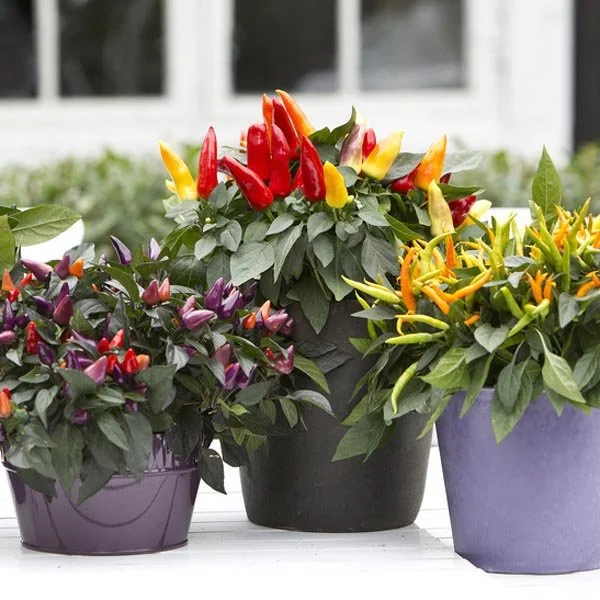
Capsicum annuum cultivars
Ornamental Pepper plants produce colorful fruits in shades of purple, red, orange, yellow, or cream. They are usually sold as seasonal decorative plants but can remain attractive for several months with strong light, warmth, and consistent watering.
Light
Provide very bright light with several hours of direct sunlight each day. A south- or west-facing window is usually best indoors.
Ornamental Peppers can also be grown outside in full sun during warm weather. Acclimate the plant gradually before placing it in intense outdoor sunlight.
Insufficient light can cause:
Leaf drop
Weak, stretched growth
Poor fruit coloring
Flower or fruit drop
Soil remaining wet too long
Water
Water when the top inch of soil feels dry.
Water thoroughly until excess drains from the container, then empty the saucer or decorative pot. Do not allow the plant to remain in standing water.
Ornamental Peppers prefer consistent moisture while flowering and fruiting. Severe dryness can cause dramatic wilting and the loss of leaves, flowers, or fruit.
Small pots may need to be checked frequently, especially in direct sunlight.
Humidity
Average household humidity is generally adequate.
Provide good airflow around the foliage. Avoid frequently wetting the leaves, particularly in cool conditions or during the evening.
Temperature
Maintain temperatures between approximately 60 and 80°F.
Protect the plant from:
Frost
Temperatures below approximately 50°F
Cold windows
Heating and cooling vents
Sudden temperature changes
Outdoor plants should be brought inside before cold autumn nights.
Soil and Repotting
Use a fertile, well-draining potting mixture. The container must have drainage holes.
Repot only if the plant is severely rootbound or drying unusually quickly. Many ornamental peppers are sold as temporary seasonal plants and do not require repotting.
Fertilizing
Feed every two to four weeks while the plant is actively growing, flowering, or producing fruit. Use a balanced liquid fertilizer diluted according to its directions.
Reduce feeding after fruit production slows or the plant begins declining naturally.
Fruit and Flowers
The small flowers develop into colorful peppers. The fruit may change color as it matures and can remain on the plant for an extended period.
Although ornamental peppers are botanically related to edible peppers, plants sold for decorative use should not be assumed safe to eat. They may have been treated with products not labeled for edible crops, and some cultivars are extremely hot.
Seasonal Life Cycle
Ornamental Peppers are technically tender perennials, but they are commonly treated as seasonal plants.
After fruiting, the plant may become sparse or decline. It can sometimes be overwintered in extremely bright indoor light, but replacing it seasonally is usually more practical.
Common Problems
Wilting: The soil may be too dry. Check it promptly because small pots dry quickly.
Yellow leaves: Often caused by excessive watering, poor drainage, or insufficient light.
Leaf drop: May result from low light, cold temperatures, drought, or relocation stress.
Flowers or fruit falling: Common causes include insufficient light, inconsistent watering, temperature stress, or poor pollination.
Aphids, spider mites, or whiteflies: Inspect the leaves, stems, and growing tips regularly.
Pet Safety
Keep Ornamental Pepper plants and their fruit out of pets’ reach. The peppers can cause significant mouth and digestive irritation, while other plant tissues may also cause adverse symptoms if eaten.
Contact a veterinarian or poison-control service if ingestion is suspected.
Mary Mae’s Quick Advice
Place your Ornamental Pepper in your sunniest location and check its small pot frequently. Keep the soil consistently moist without leaving it saturated, and treat the fruit as decorative rather than edible.
