
Gerbera Daisy Care Guide
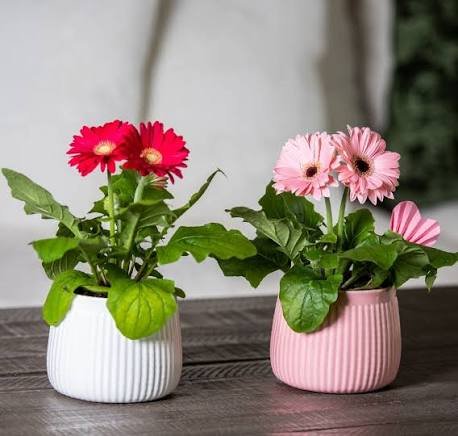
Gerbera Daisy
Gerbera jamesonii and its hybrids
Gerbera Daisies are colorful flowering plants with large, daisy-shaped blooms held above a low rosette of foliage. This shared guide applies to all flower colors in the assorted Gerbera Daisy group.
Quick Care
Light: Very bright light with some gentle direct sun
Water: Water when the top 1 inch feels dry
Temperature: Approximately 60–75°F while flowering
Humidity: Average, with good air circulation
Difficulty: Moderate
Pet friendly: Yes—non-toxic to cats and dogs
Growth habit: Compact flowering rosette
Light
Place the plant in very bright light. Several hours of gentle morning sun can help support flowering, but intense afternoon sunlight through glass may scorch the foliage or shorten the bloom period.
Insufficient light can cause weak growth, floppy flower stems and little reblooming.
Water
Water when the top inch of soil feels dry. Thoroughly moisten the potting mix and allow all excess water to drain.
Avoid pouring water into the center crown or leaving the foliage and flowers wet. Bottom-watering can help keep the crown dry, but remove the plant from the water after approximately 15–20 minutes and allow it to drain.
Do not leave the container standing in water. Gerberas need consistent moisture while flowering but are susceptible to crown and root rot in saturated soil.
Temperature and Humidity
Gerbera flowers last longest in cooler indoor temperatures around 60–75°F. Protect the plant from heating vents, cold drafts and abrupt temperature changes.
Average household humidity is generally suitable. High humidity combined with wet foliage and poor air circulation can encourage fungal disease.
Avoid routine misting.
Soil and Repotting
Use a fertile, loose and well-draining potting mix. The container must have drainage holes.
Keep the plant’s central crown slightly above the soil surface. Burying the crown can encourage rot.
Repot only when necessary, using a container slightly larger than the existing pot.
Fertilizing
While the plant is actively growing, apply a balanced liquid fertilizer at approximately half strength every two to four weeks.
Reduce feeding during winter or when flowering and growth have stopped. Excess nitrogen can encourage leaves at the expense of flowers.
Deadheading and Grooming
Remove faded flowers by cutting or gently twisting the entire flower stem near the plant’s base.
Remove yellow or damaged leaves and clear fallen petals from the soil surface. Regular deadheading keeps the plant attractive and may encourage additional flowers.
After Flowering
Gerbera Daisies can continue growing after the original flowers fade, but producing another heavy bloom indoors requires strong light.
After all danger of frost has passed, the plant may be placed outdoors in a bright location. Gradually acclimate it to outdoor sunlight to prevent scorching.
Bring it indoors before frost if you want to keep it. Gerbera Daisies are not reliably winter-hardy outdoors in Erie.
Common Problems
Wilted plant with dry soil: Water thoroughly.
Wilted plant with wet soil: Possible root or crown rot.
Yellow lower leaves: May result from overwatering, poor drainage or normal aging.
Brown or collapsing crown: Usually indicates excessive moisture around the plant’s center.
White powder on leaves: Possible powdery mildew. Improve air circulation and avoid wetting the foliage.
Gray or fuzzy flowers: Remove affected blooms and keep flowers dry.
No new flowers: The plant may need brighter light or balanced nutrition.
Distorted flowers or streaked foliage: Inspect for thrips.
Pet Safety
Gerbera Daisies are classified by the ASPCA as non-toxic to cats and dogs. Eating plant material may still cause mild stomach upset, so chewing should be discouraged. ASPCA Gerbera Daisy profile
Mary Mae’s Best Advice
Gerberas need more light than most flowering gift plants. Keep the crown above the soil, avoid wetting the foliage and remove faded flower stems all the way at the base.
