
Florist Azalea Care Guide
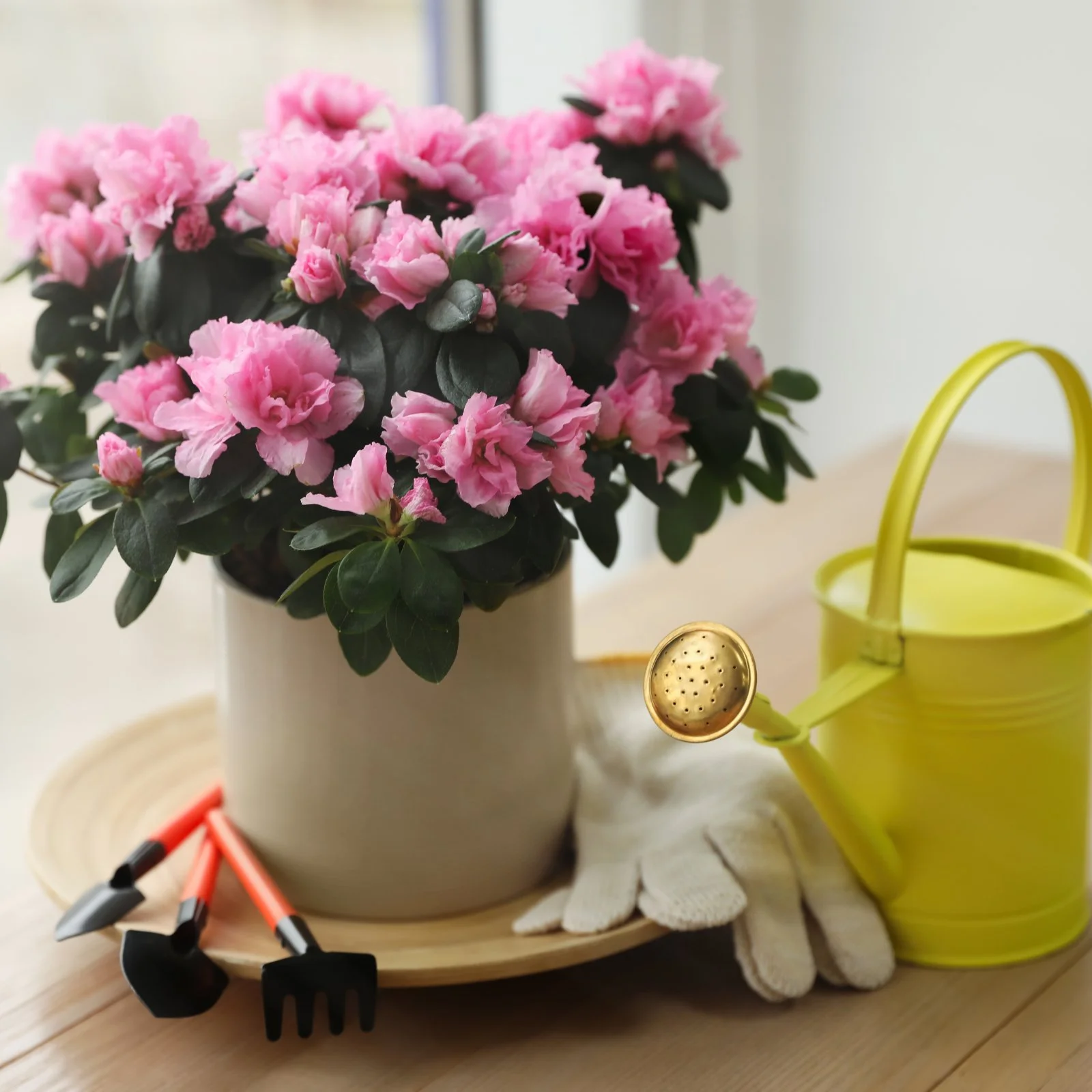
Florist Azalea
Rhododendron simsii and related hybrids
Florist azaleas are compact flowering plants grown for their abundant, brightly colored blooms. Unlike the hardy azaleas planted in Erie-area landscapes, these tender varieties are intended primarily for indoor enjoyment and are not reliably winter-hardy outdoors.
Quick Care
Light: Bright, indirect light
Water: Keep consistently moist but not waterlogged
Humidity: Moderate to high
Temperature: Ideally 55–65°F while flowering
Difficulty: Moderate to challenging
Pet friendly: No—potentially seriously toxic
Growth habit: Compact, flowering shrub
Light
Place your azalea in bright, indirect or filtered light. Gentle morning sunlight is beneficial, but intense afternoon sun can scorch the foliage and shorten the life of the flowers.
After flowering, the plant can tolerate a slightly brighter location while producing new growth.
Water
Check the soil frequently, especially while the plant is blooming. Water when the top ½ inch begins to feel dry. Do not allow the root ball to dry completely because severe dryness can quickly cause wilted leaves, dropped flowers and damaged roots.
Water thoroughly and allow the excess to drain. Never leave the pot standing in water or trapped inside a watertight decorative cover.
Azaleas prefer slightly acidic conditions. Rainwater, distilled water or filtered water may be beneficial if your tap water is especially hard or alkaline.
If the soil has become extremely dry and water runs around the root ball, soak the nursery pot in lukewarm water for approximately 10–15 minutes, then let it drain completely.
Temperature and Humidity
Florist azaleas bloom longest in cool conditions, ideally around 55–65°F. Warm, dry rooms can cause the flowers and unopened buds to fade or drop prematurely.
Keep the plant away from heating vents, fireplaces and cold drafts. Moderate humidity is helpful, but avoid regularly spraying open flowers because wet petals can develop spotting or fungal problems.
Soil and Repotting
Use a loose, well-draining potting mix formulated for azaleas, rhododendrons or other acid-loving plants. The container must have drainage holes.
Repot after flowering if the plant is severely root-bound. Choose a container only slightly larger than the existing pot.
Do not use garden lime or alkaline soil amendments.
Fertilizing
Do not fertilize while the plant is in full bloom.
After flowering, feed with a fertilizer formulated for acid-loving plants during active spring and summer growth. Follow the product’s directions and avoid fertilizing a dry or stressed plant.
After Flowering
Remove individual flowers as they fade. Once flowering is complete, lightly trim unusually long stems to maintain the plant’s shape. Avoid heavy pruning into old, woody growth.
Florist azaleas can be kept after their initial display, but producing another heavy bloom indoors is difficult. The plant requires a healthy growing period followed by several weeks of cool temperatures to develop new flower buds.
It can spend summer outdoors in a protected, partially shaded location after all danger of frost has passed. Bring it indoors before the first frost.
Important Erie-Area Note
This is a tender florist azalea, not a hardy landscape azalea. Do not plant it permanently outdoors with the expectation that it will survive an Erie winter.
Customers looking for a permanent outdoor shrub should purchase a variety specifically labeled with an appropriate USDA hardiness zone.
Common Problems
Wilted foliage or flowers: The root ball may be too dry. Check the soil immediately.
Yellow leaves with wet soil: Often caused by overwatering, poor drainage or root damage.
Yellow leaves with green veins: May indicate that the soil or water is too alkaline.
Dropping buds: Commonly caused by warm temperatures, dry soil, low humidity or sudden environmental changes.
Brown flowers: Individual blooms naturally fade, but warmth, direct sun and wet petals can accelerate browning.
Webbing, sticky residue or distorted growth: Inspect for spider mites, aphids, mealybugs or whiteflies.
Pet and Child Safety
Azaleas are not considered pet-safe. All parts of the plant contain grayanotoxins. Ingestion can cause drooling, vomiting, diarrhea, weakness, abnormal blood pressure, nervous-system depression and potentially serious cardiovascular effects.
Even a small amount can cause significant problems. Keep the plant completely inaccessible to pets and young children. If ingestion is suspected, contact a veterinarian, poison-control service or medical professional immediately. ASPCA azalea toxicity profile
Mary Mae’s Best Advice
Keep your florist azalea cool and never allow its root ball to dry completely. Enjoy it primarily as a long-lasting flowering gift plant. Keeping it alive afterward is possible, but achieving another greenhouse-quality bloom requires considerably more work.
