
Colocasia Care Guide
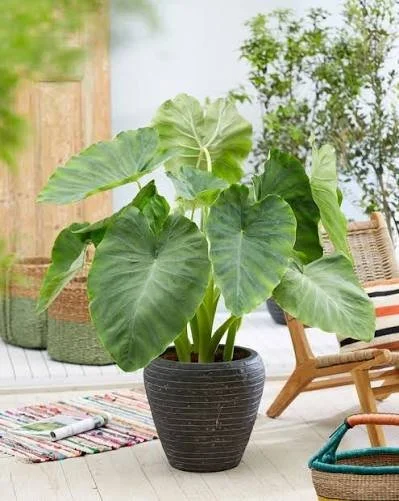
Colocasia species and cultivars
Includes Colocasia Mojito and similar Elephant Ear varieties
Colocasias are tropical plants with large, dramatic leaves. Unlike Alocasias, they generally prefer consistently moist soil and can tolerate considerably more water. They may be should not remain a separate care guide from Alocasia.
Light
Provide bright indirect light or gentle direct sun. A few hours of morning sunlight can encourage stronger growth and coloring.
Variegated varieties such as Mojshould have brighter light to maintain their patterning, but intense afternoon sun may scorch the pale portions of their leaves.
Insufficient light can cause:
Weak, stretched stems
Smaller leaves
Faded variegation
Slower growth
Water
Keep the soil consistently moist during active growth. Water when the surface begins to feel slightly dry.
Water thoroughly until excess drains from the container. Although Colocasias enjoy moisture, indoor plants should not remain submerged in stagnant water or heavy, airless soil.
Reduce watering when growth slows during winter, but do not allow the root ball to become completely dry.
Humidity
Moderate to high humidity is preferred. A humidifier is helpful in dry indoor environments.
Provide some airflow around the foliage. Avoid keeping the leaves constantly wet, especially when temperatures are cool.
Temperature
Keep between approximately 65 and 85°F. Protect the plant from:
Temperatures below 60°F
Cold windows and exterior doors
Heating and cooling vents
Sudden temperature changes
Colocasias grow vigorously in warm conditions but may become dormant when temperatures and light levels decrease.
Soil and Repotting
Use a fertile potting mixture that retains moisture while still allowing excess water to drain.
A suitable mixture can contain:
Indoor potting soil or coco coir
Compost or worm castings
Perlite
Fine orchid bark
Use a container with drainage holes. Repot when roots or underground structures have filled the container.
Fertilizing
Colocasias are relatively heavy feeders during active growth. Apply a balanced houseplant fertilizer at half strength every two to four weeks during spring and summer.
Reduce or stop fertilizing during winter or dormancy.
Dormancy
Growth may slow or the leaves may die back during winter. If the plant enters dormancy:
Keep it warm
Reduce watering
Keep the soil slightly moist rather than saturated
Stop fertilizing
Resume normal care when new growth appears
Common Problems
Drooping leaves: The soil may be too dry, although root problems can produce similar symptoms.
Yellow leaves: May indicate natural aging, excessive water combined with poor drainage, insufficient light, or cold temperatures.
Brown edges: Commonly caused by dry soil, low humidity, fertilizer buildup, or environmental stress.
Small new leaves: The plant may need brighter light, more nutrients, or additional root space.
Spider mites, thrips, or aphids: Inspect the leaves regularly, especially the undersides.
Pet Safety
Keep Colocasias out of pets’ reach. Their tissues contain calcium oxalate crystals that can cause mouth irritation, drooling, vomiting, or difficulty swallowing if chewed.
Contact a veterinarian or poison-control service if ingestion is suspected.
Mary Mae’s Quick Advice
Do not treat a Colocasia like an Alocasia when watering. Give it bright light, warmth, and consistently moist soil during active growth. It should not be allowed to dry as extensively between waterings.
