
Bird’s Nest Fern Care Guide
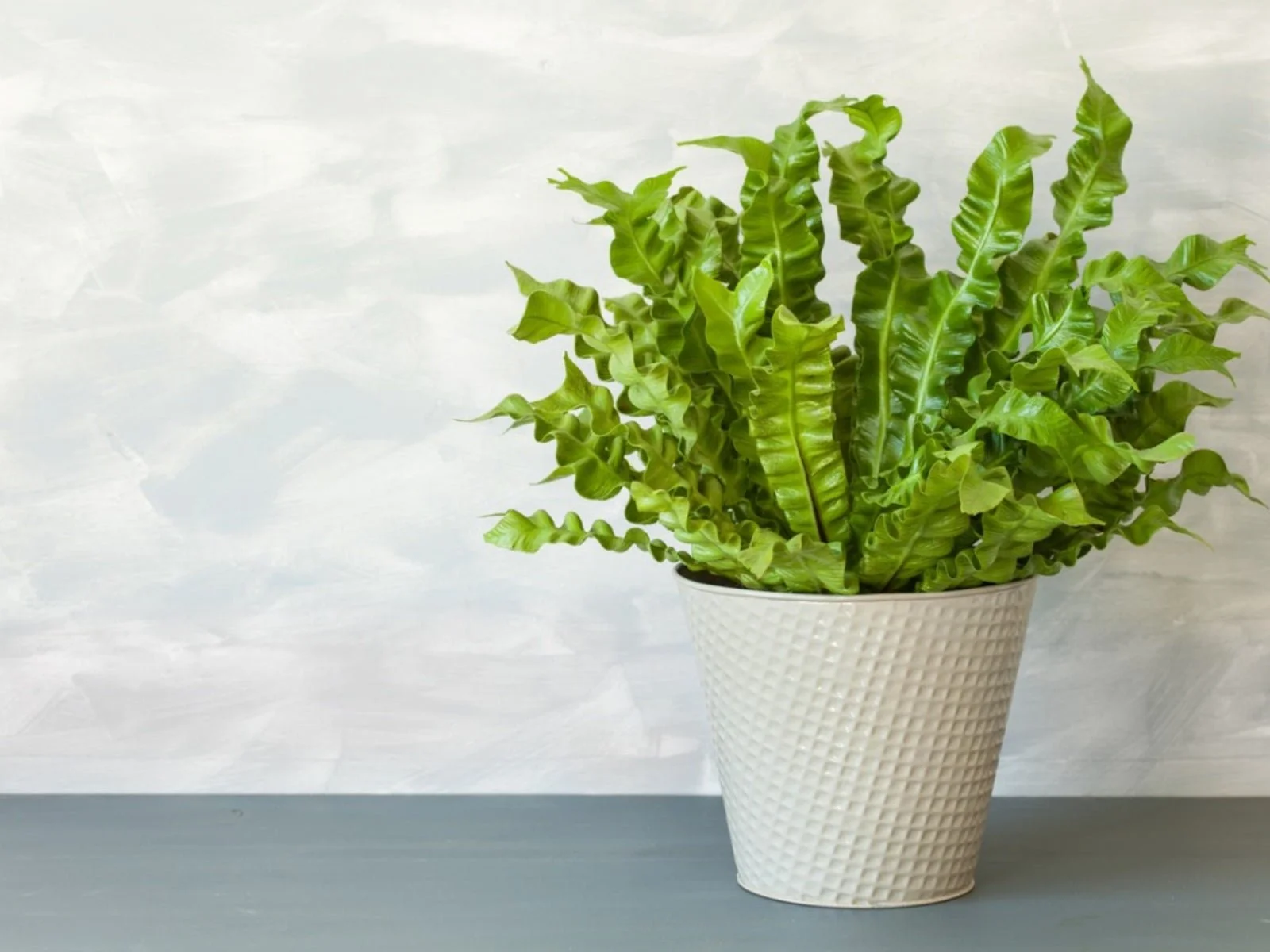
Birds Nest Fern
Asplenium nidus and related cultivars
Includes Crispy Wave Fern, often sold as Asplenium antiquum ‘Crispy Wave’
Bird’s Nest Ferns grow broad, tropical fronds from a central rosette. Crispy Wave has the same general care needs but produces narrower fronds with heavily rippled edges.
Quick Care
Light: Medium to bright indirect light
Water: Keep lightly moist; keep water out of the crown
Humidity: Moderate to high
Temperature: 60–75°F
Soil: Rich, loose, well-draining mix
Difficulty: Moderate
Pet safety: Generally considered non-toxic
Light
Provide medium to bright indirect light. An east- or north-facing window is often ideal.
Avoid strong direct sunlight, which can turn the fronds pale, yellow, or scorched. Although the fern tolerates medium light, growth will be faster and fuller in bright filtered light.
Water
Water when the surface of the soil begins to feel slightly dry.
Check the soil near the edge of the pot.
Apply water directly to the soil around the plant.
Water thoroughly until excess drains.
Empty the saucer or decorative container.
Do not pour water into the center of the fern. Water trapped inside the crown can cause rot and kill the growing point.
Keep the soil lightly moist but never waterlogged. This fern does not tolerate becoming completely dry for extended periods.
Temperature and Humidity
Maintain temperatures between 60 and 75°F. Protect the fern from cold drafts, direct heat, and temperatures below approximately 55°F.
Moderate to high humidity produces the best foliage. A humidifier or naturally humid room is more effective than occasional misting. Do not allow water to remain pooled in the crown.
Soil and Repotting
Use a rich but porous potting mix. Fern potting soil amended with perlite and fine orchid bark works well.
The container must have drainage holes. Repot when roots become crowded, moving up by only one pot size.
The central crown should remain at or slightly above the soil surface. Burying it can lead to rot.
Fertilizing
During spring and summer, apply a balanced liquid fertilizer at one-quarter to half strength approximately once a month.
Reduce or stop fertilizing during fall and winter. Bird’s Nest Ferns are sensitive to excessive fertilizer, which can burn the roots and frond edges.
Frond Care
Handle the fronds carefully because they crease and tear easily. Wipe dust away gently with a damp cloth, supporting each frond from underneath.
Remove only fully brown or badly damaged fronds. Cut them near the outer base without damaging the center of the plant.
Brown lines or patches arranged regularly beneath mature fronds may be spores rather than pests.
Common Problems
Brown tips or edges: Usually caused by dry soil, low humidity, fertilizer buildup, or mineral-heavy water.
Yellow or bleached fronds: May indicate excessive sunlight, wet soil, or excessive fertilizer.
Soft or dark center: A serious sign of crown rot, commonly caused by pouring water into the rosette.
Crispy, curling fronds: The plant may be too dry or exposed to hot air.
Slow growth: Often caused by low light, cold temperatures, or normal winter slowdown.
Scale or mealybugs: Inspect both sides of the fronds for bumps, sticky residue, or white cottony material.
Pet Safety
Bird’s Nest and Crispy Wave Ferns are generally considered non-toxic to cats and dogs. They are true ferns and are not related to toxic asparagus ferns.
The ASPCA does not currently provide a dedicated listing for these exact Asplenium varieties, so customers should still discourage pets from chewing them. Eating any plant material may cause mild digestive upset.
NC State Bird’s Nest Fern information
Mary Mae’s Best Advice
Never pour water into the middle of the plant. Water the soil around the outside of the rosette because a constantly wet crown is the fastest way to lose a Bird’s Nest Fern.
