
Staghorn Fern Care Guide
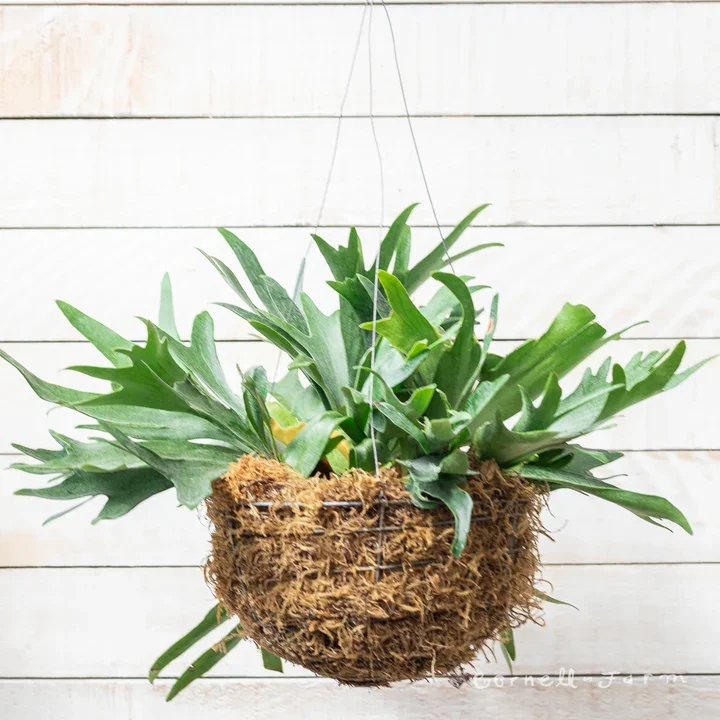
Staghorn Fern
Platycerium bifurcatum
The Staghorn Fern is an unusual tropical fern with antler-shaped green fronds and rounded shield fronds that protect its roots. It naturally grows attached to trees rather than in soil and can be kept in a pot or mounted on a board.
Quick Care
Light: Bright, indirect light
Water: Allow the growing medium to partially dry
Humidity: Moderate to high
Temperature: 60–80°F
Growing medium: Loose bark or sphagnum-based mix
Difficulty: Moderate
Pet safety: Non-toxic to cats and dogs
Light
Provide bright, indirect light. Gentle morning sun is usually acceptable, but intense afternoon sunlight can scorch the fronds.
Avoid dark rooms. Insufficient light slows growth and keeps the growing medium wet too long, increasing the risk of rot.
Watering a Potted Staghorn Fern
Check the growing medium beneath the fronds.
Water when it feels partially dry but before it becomes completely crisp.
Water thoroughly until excess drains from the pot.
Empty the saucer or decorative container.
Avoid keeping the medium continuously saturated. Staghorn Ferns require moisture but also need air around their roots.
Watering a Mounted Staghorn Fern
Soak the root ball and mounting material in room-temperature water for approximately 10–20 minutes. Allow it to drain completely before returning it to the wall.
Water when the mounting material is approaching dryness. This may be about weekly during active growth, but frequency depends heavily on temperature, humidity, and the size of the mount.
The fern will need less water during cooler, darker winter conditions.
Temperature and Humidity
Maintain temperatures between 60 and 80°F and protect the fern from temperatures below approximately 55°F.
Moderate to high humidity is beneficial, but good airflow is equally important. A warm bathroom with a bright window can work well. Do not place the plant beside a heating or cooling vent.
Growing Medium and Mounting
A potted Staghorn Fern should grow in a loose, airy medium such as orchid bark mixed with sphagnum moss. Dense standard potting soil retains too much water.
When mounting the plant, attach the root ball and moss securely to untreated wood or another moisture-resistant support. Do not place wire or fishing line over soft green fronds.
Mounted plants dry faster than potted plants and require more frequent monitoring.
Understanding the Two Frond Types
Staghorn Ferns produce two different kinds of fronds:
Fertile fronds: Green, antler-shaped fronds that extend outward
Shield fronds: Rounded fronds that cover and protect the roots
Shield fronds naturally turn tan or brown as they mature. They are not dead material and should not be removed. They help anchor, protect, and nourish the plant.
The soft, silvery coating on the antler fronds is also natural. Do not wipe it away because it helps the fern conserve moisture.
Fertilizing
Apply a balanced liquid houseplant fertilizer at one-quarter to half strength about once a month during spring and summer.
Fertilize less often during fall and winter. Excessive fertilizer can burn the roots and fronds.
There is no need to place banana peels behind the plant. They can attract pests, create odors, and encourage decay.
Common Problems
Brown shield fronds: Usually normal maturation. Do not remove them.
Brown tips on antler fronds: May indicate low humidity, insufficient water, fertilizer buildup, or excessive sun.
Soft, dark tissue: Often caused by excessive moisture, poor airflow, or rot.
Drooping or wilted fronds: The plant may be too dry, but check the growing medium before soaking it.
Scale or mealybugs: Inspect beneath fronds and around the shield for bumps, sticky residue, or white cottony material.
Pet Safety
The Common Staghorn Fern is considered non-toxic to cats and dogs by the ASPCA. Eating large amounts of any plant material may still cause mild digestive upset.
ASPCA Staghorn Fern safety information
Mary Mae’s Best Advice
Do not remove the brown shield fronds or wipe the silvery coating from the green fronds. Both are normal, useful parts of the plant—not signs that it is dirty or dying.
