
Red Polka Dot Plant Care Guide
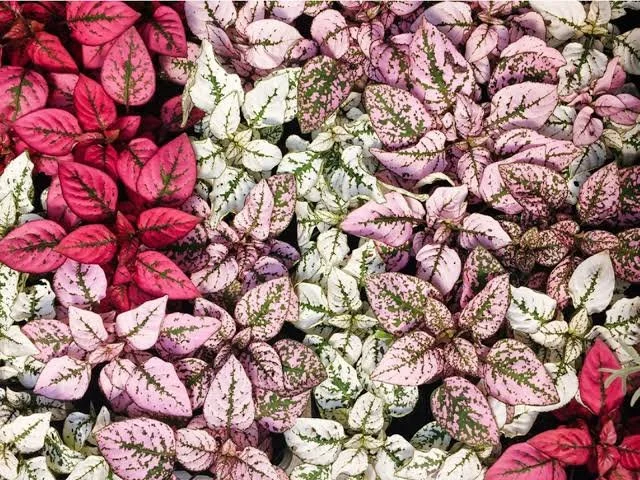
Red Polka Dot Plant
Hypoestes phyllostachya
The Red Polka Dot Plant is a compact houseplant known for its colorful, spotted foliage. It grows quickly and is relatively easy to maintain, although it prefers more consistent watering than many beginner houseplants.
Quick Care
Light: Bright, indirect light
Water: Water when the top ½–1 inch of soil feels dry
Humidity: Average to moderately high
Temperature: 65–80°F
Difficulty: Easy to moderate
Pet friendly: Yes—considered non-toxic to cats and dogs
Growth habit: Compact and bushy, typically 8–18 inches indoors
Light
Place your polka dot plant where it will receive bright, indirect light. An east-facing window or a location near a bright south- or west-facing window usually works well.
Too little light can cause the plant’s color to fade and its stems to become long and sparse. Strong afternoon sun can scorch the leaves.
Water
Water when the top ½–1 inch of soil feels dry. Water thoroughly until excess water drains from the bottom of the pot, then empty any water remaining in the saucer or decorative container.
Polka dot plants prefer slightly moist soil but should never remain soggy. Allowing the plant to dry completely can cause rapid wilting and crispy leaves.
Temperature and Humidity
Keep the plant between approximately 65°F and 80°F. Protect it from cold drafts, heating vents and temperatures below 55°F.
Normal household humidity is usually adequate, but the plant performs better with moderate humidity. Brown, crispy leaf edges may indicate dry air or inconsistent watering.
Soil and Repotting
Use a loose, well-draining indoor potting mix. The container should have a drainage hole whenever possible.
Repot when roots begin circling the inside of the pot or growing through the drainage holes. Choose a new pot only 1–2 inches wider than the existing container.
Fertilizing
Feed once a month during spring and summer with a balanced liquid houseplant fertilizer diluted according to the label directions.
Reduce or stop fertilizing during fall and winter when growth naturally slows. Never fertilize extremely dry soil or a plant that is already stressed.
Pruning
Pinch or trim the ends of long stems to encourage fuller, bushier growth. Remove faded flower spikes if you want the plant to focus its energy on producing colorful foliage.
Polka dot plants can become leggy without occasional pruning.
Common Problems
Wilting leaves: The soil may be too dry. Check the soil before watering because root problems can also cause wilting.
Yellow leaves or soft stems: Often caused by overwatering, poor drainage or water remaining inside a decorative container.
Faded coloring: Usually caused by insufficient light.
Brown, crispy edges: Commonly associated with dry soil, low humidity, excessive fertilizer or intense sunlight.
Long, sparse growth: Move the plant to brighter indirect light and pinch back the stems.
Pet Safety
The Red Polka Dot Plant is classified by the ASPCA as non-toxic to cats and dogs. However, eating plant material may still cause mild stomach upset, so it is best to discourage pets from chewing it. ASPCA plant profile
Mary Mae’s Best Advice
The biggest challenge with a polka dot plant is consistency. Give it bright indirect light, check its soil regularly and pinch back long stems before the plant becomes thin or leggy.
