
Hoya Care Guide
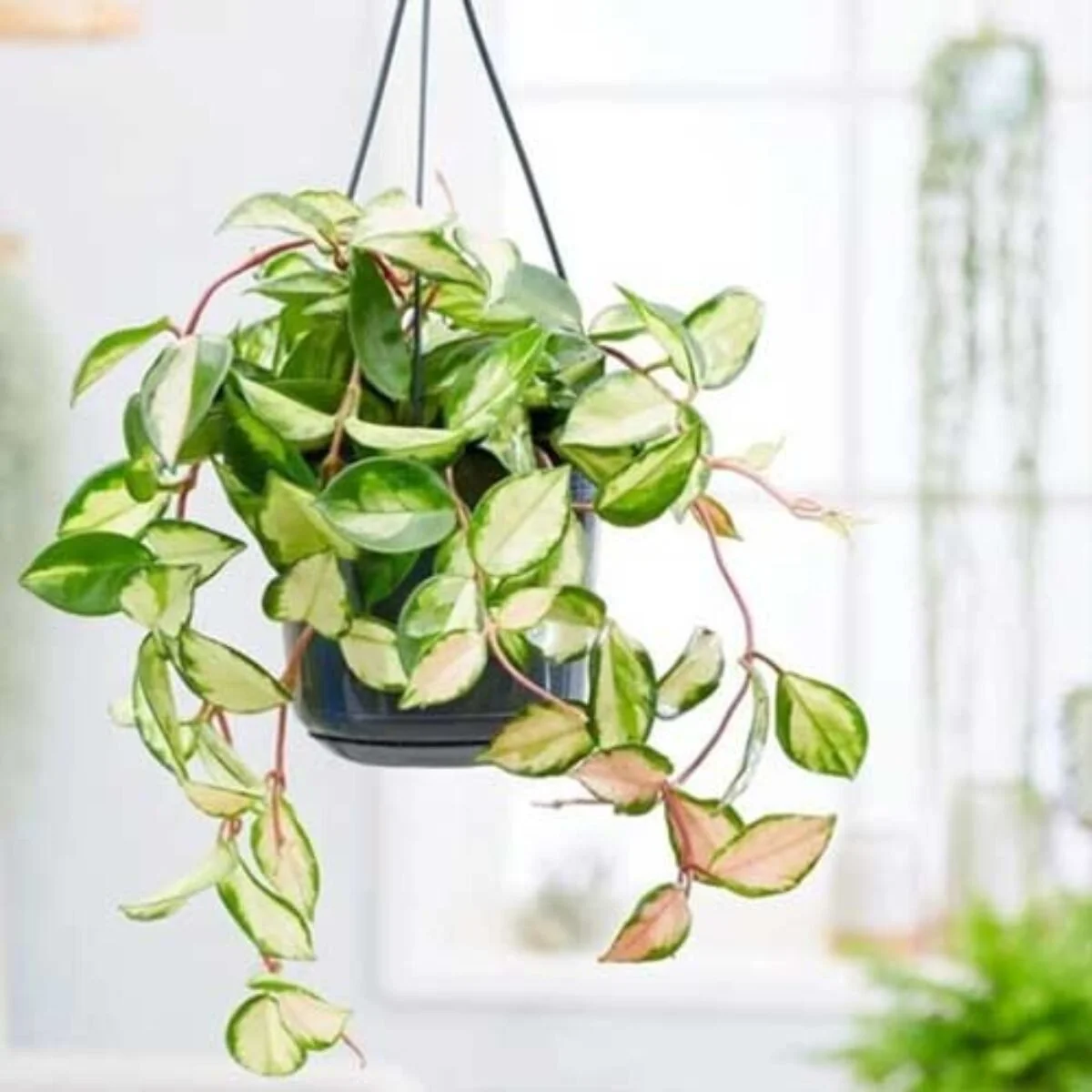
Hoya species and cultivars
Includes Hoya Tricolor, Krimson Queen, Krimson Princess, Carnosa, Pubicalyx, and similar wax plants
Hoyas are tropical vines known for their thick foliage and clusters of fragrant, waxy flowers. Most common varieties prefer bright light, an airy soil mixture, and partial drying between waterings.
Light
Provide bright, indirect light. A few hours of gentle morning or late-afternoon sun can encourage stronger growth and flowering.
Variegated Hoyas need especially bright light to maintain their cream, white, pink, or yellow coloring.
Too little light can cause:
Weak or stretched growth
Loss of variegation
Few or no flowers
Soil remaining wet too long
Protect pale variegated leaves from intense afternoon sun, which can cause scorching.
Water
Allow at least the upper half of the soil to dry before watering. Hoyas with thick, succulent-like leaves tolerate partial drying better than constantly wet soil.
Water thoroughly until excess drains, then empty the saucer or decorative container.
Avoid waiting until the leaves become severely wrinkled or limp. While Hoyas tolerate some dryness, repeated extreme drought can damage roots and prevent flowering.
Thin-leaved Hoya species may need water slightly sooner than thick-leaved varieties.
Humidity
Average household humidity is usually adequate for common Hoyas. Moderate humidity can encourage more vigorous growth and healthier new leaves.
Provide good airflow and avoid keeping the foliage constantly wet.
Temperature
Maintain temperatures between approximately 60 and 85°F.
Protect Hoyas from:
Temperatures below approximately 55°F
Cold windows and exterior doors
Heating and cooling vents
Sudden temperature changes
Warm conditions generally encourage faster growth.
Soil and Repotting
Use a chunky, fast-draining mixture with plenty of air around the roots.
A suitable mixture can include:
Indoor potting soil or coco coir
Orchid bark
Perlite or pumice
Always use a container with drainage holes. Hoyas generally perform well when slightly rootbound, so avoid repotting unnecessarily or moving them into oversized pots.
Repot when the roots have densely filled the container or the soil has broken down.
Fertilizing
Feed every two to four weeks during spring and summer with a balanced houseplant fertilizer diluted to half strength.
A fertilizer formulated for flowering houseplants may be used once the plant is mature and receiving sufficient light.
Reduce or stop feeding when growth slows.
Training and Pruning
Allow the vines to trail or train them around a trellis or hoop.
Avoid removing the short flowering spurs, called peduncles, after the flowers fade. Many Hoyas produce new flowers from the same spurs repeatedly.
Trim only unwanted, damaged, or excessively long vines.
Encouraging Flowers
Hoyas are more likely to bloom when they receive:
Very bright indirect light
Some gentle direct sun
Warm temperatures
Consistent care
A slightly snug container
Proper feeding during active growth
Young plants may require time to mature before flowering.
Common Problems
Yellow leaves: Often caused by excessive watering, poor drainage, or insufficient light.
Wrinkled leaves: May indicate dry soil, but can also indicate damaged roots that are no longer absorbing water.
Loss of variegation: Move the plant into brighter indirect light.
Brown areas on pale leaves: Often caused by intense sunlight, extreme dryness, or physical damage.
No flowers: The most common cause is insufficient light.
Mealybugs, scale, or spider mites: Inspect the stems, leaf joints, and undersides regularly.
Pet Safety
Hoyas are generally considered pet friendly. Pets should still be discouraged from chewing the foliage because any plant material may cause digestive upset.
Mary Mae’s Quick Advice
Give your Hoya plenty of bright filtered light and let much of the soil dry before watering. Do not remove its old flowering spurs because it can bloom from them again.
