
Tropical Cissus Care Guide
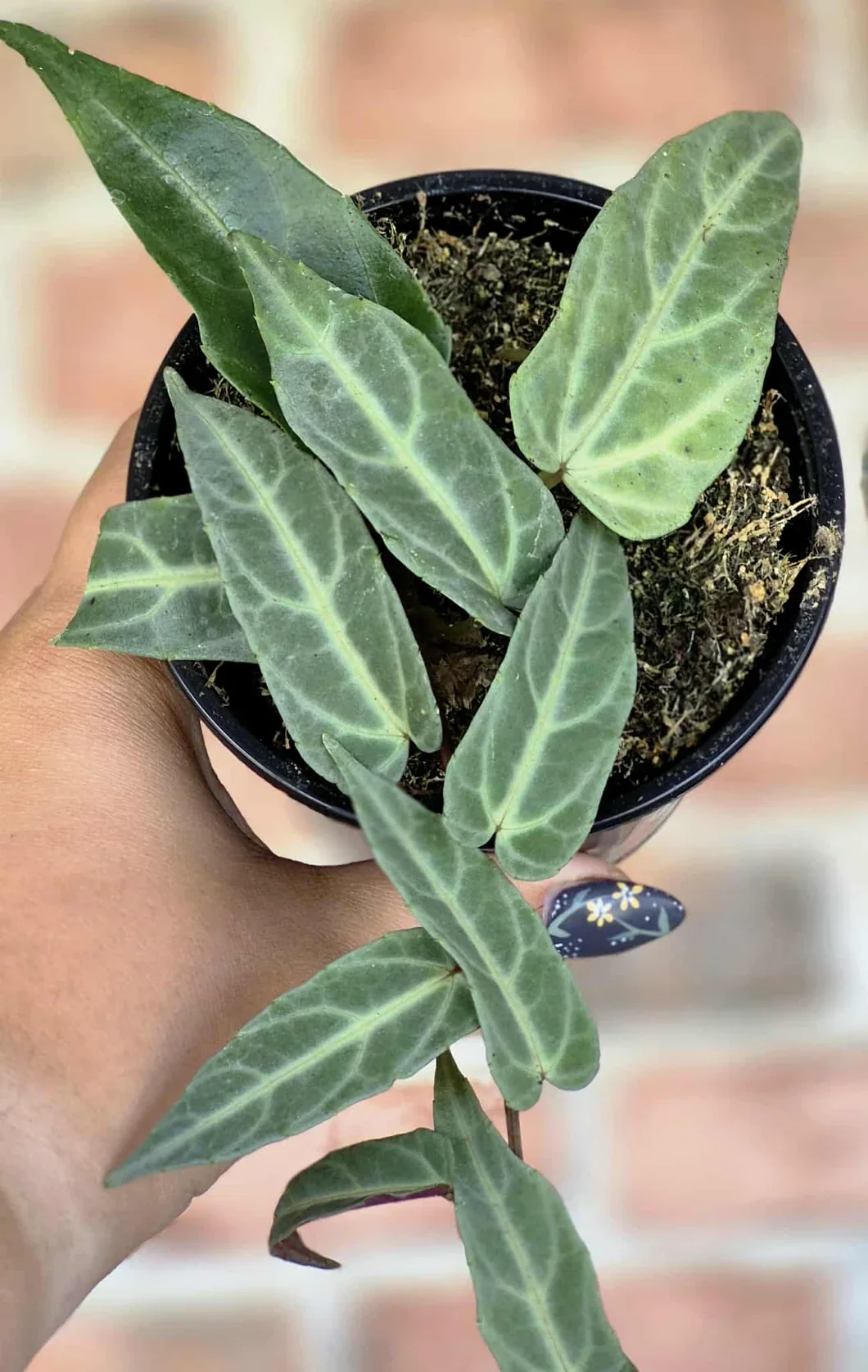
Cissus species
Includes Jungle Vine, Amazon Jungle Vine, Cissus discolor, and similar tropical foliage varieties
Tropical Cissus are climbing or trailing plants related to grapevines. They are grown for their decorative foliage and perform best with filtered light, moderate humidity, and soil that remains lightly moist without becoming saturated.
This guide does not cover succulent Cissus species, which require significantly drier conditions.
Light
Provide bright, indirect light. Gentle morning sunlight is usually acceptable, but intense afternoon sun may scorch the foliage.
Varieties with silver, red, or patterned leaves need bright filtered light to maintain their coloring.
Too little light can cause:
Weak, stretched vines
Smaller leaves
Faded coloring
Soil remaining wet too long
Water
Water when the top inch of soil feels dry.
Thoroughly soak the soil until excess drains from the container, then empty the saucer or decorative pot. Keep the soil lightly moist during active growth, but never constantly saturated.
Avoid allowing the entire root ball to remain dry for an extended period. Tropical Cissus can develop crispy leaves and drop foliage after severe drought.
Reduce watering during winter when growth slows.
Humidity
Moderate to high humidity is preferred, especially for delicate varieties such as Cissus amazonica and Cissus discolor.
A humidifier is more reliable than frequent misting. Provide gentle airflow to prevent fungal problems.
Temperature
Maintain temperatures between approximately 65 and 80°F.
Protect the plant from:
Temperatures below approximately 55°F
Cold windows and exterior doors
Heating and cooling vents
Sudden temperature changes
Soil and Repotting
Use a loose, well-draining potting mixture that retains some moisture.
A suitable mixture can include:
Indoor potting soil or coco coir
Fine orchid bark
Perlite or pumice
Always use a container with drainage holes. Repot when roots have filled the pot or the soil begins draining poorly.
Increase the container by only one size.
Fertilizing
Feed every two to four weeks during spring and summer with a balanced houseplant fertilizer diluted to half strength.
Reduce or stop feeding during fall and winter when growth slows.
Training and Pruning
Allow the vines to trail from a hanging basket or provide a trellis, hoop, or pole for climbing.
Trim long vines just above a leaf node to encourage branching and fuller growth. Remove bare, damaged, or declining stems with clean scissors.
Common Problems
Crispy or curling leaves: Usually caused by dry soil, low humidity, excessive sunlight, or cold drafts.
Yellow leaves: Often associated with excessive watering, poor drainage, or insufficient light.
Leaf drop: May result from severe dryness, temperature changes, low humidity, or relocation stress.
Faded markings: Move patterned varieties into brighter indirect light.
Leggy growth: Provide more light and prune long, sparse vines.
Spider mites, mealybugs, or aphids: Inspect the stems and leaf undersides regularly.
Pet Safety
Some commonly grown Cissus species are considered pet friendly, but reliable toxicity information is not available for every species sold under the Jungle Vine name. Keep the plant out of pets’ reach unless its exact botanical identification and safety have been confirmed.
Mary Mae’s Quick Advice
Give tropical Cissus bright filtered light, moderate humidity, and water when the top inch dries. Let it trail or provide a small support, then prune the vines occasionally to keep the plant full.
